
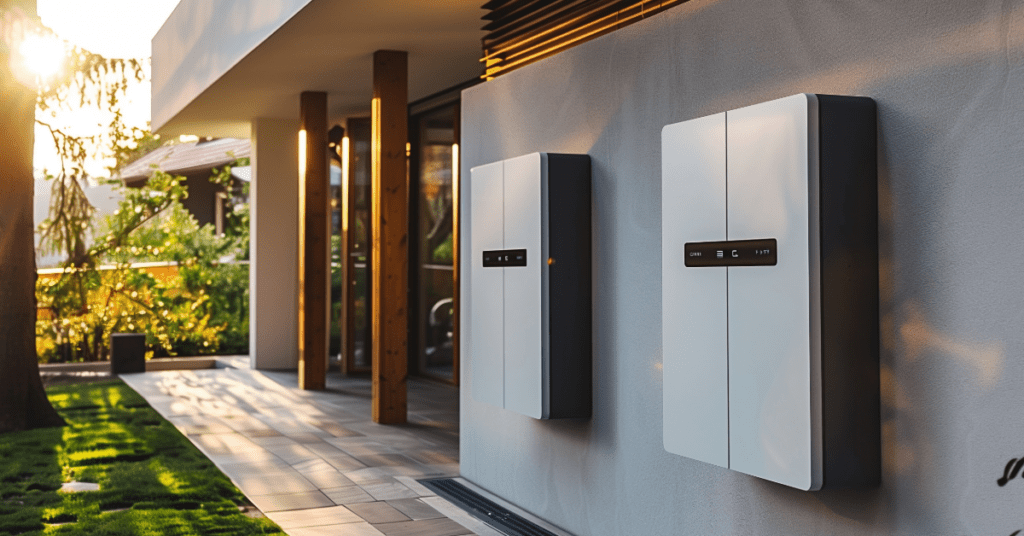
Battery storage is one of those topics where homeowners get the general idea quickly. Store energy, use it later. But then the conversation turns to size and things get murky fast. How many kilowatt-hours do you actually need? What does that number mean in practice? And how do you know if one battery is enough or whether you need two?
The sizing question matters more than most people realize. Buy too little and the battery runs out before it covers everything you need it too. Buy more than you need and you’ve overspent on capacity that rarely gets used. Neither outcome serves you well.
The right answer depends on what you’re asking the battery to do. That’s where most sizing conversations go wrong. People start with the product instead of starting with the purpose. Before looking at kilowatt-hours, it helps to think through what role the battery is actually playing in your home’s energy plan.
What a Battery Actually Covers (And What It Doesn’t)
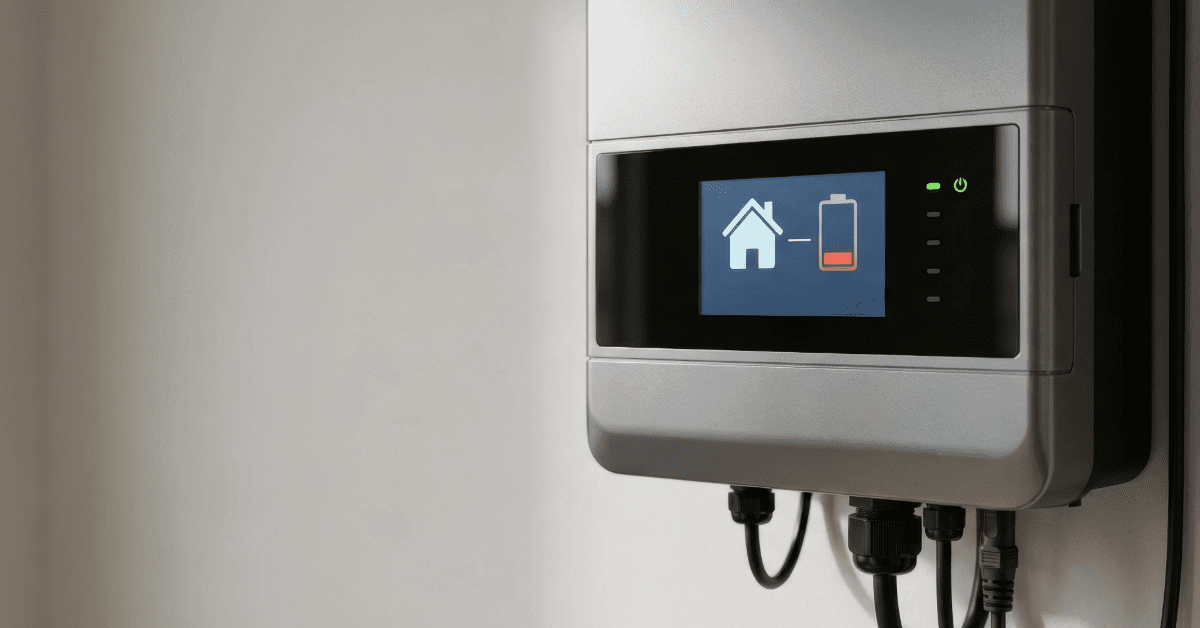
A home battery stores electricity. That electricity can come from solar panels, from the grid, or both. When you need power, whether during an outage, or after the sun goes down, the battery discharges and covers the load.
The key variable is how long it needs to cover that load and what is running while it does.
A 10 kWh battery can power a refrigerator, some lights, a few devices, and other small loads for a full day without issue. Add a central air conditioner or an electric range and that same battery might last three or four hours. Add an electric furnace and the math changes dramatically.
Minnesota homes have specific considerations here. Heating loads in January are substantial. If your home heats with a gas furnace, the battery only needs to cover the blower motor and controls, which is a relatively small load. If you heat with a heat pump or electric resistance baseboards, the battery has to carry a much heavier draw. That difference alone can shift the sizing recommendation significantly.
Scenario 1: The Bill-Focused Household
Profile: A 1,800 square foot home in the southern Twin Cities suburbs. Gas heat, central air conditioning, standard appliances, no EV. The homeowners want to reduce their electric bill by avoiding peak rate hours under an opt-in time-of-use rate system, not to power the whole home during an outage.
For this household, the battery’s job is relatively narrow. It needs to store enough power to carry the home through the evening when energy rates are highest for time-of-use, helping the homeowner avoid pulling any energy from the grid. This is roughly between 4pm to 9pm on weekdays. During that window, the typical load for a home like this runs between 1 and 2 kilowatts.
A single 10 kWh battery handles this comfortably, with capacity to spare. When paired with solar that can charge the battery during the day, this setup can cover most, or all, of the electricity needed for that window year round.
In summer, when solar production is highest and air conditioning runs in the evening, the battery earns its keep the most. In winter, shorter solar days mean the battery may need to supplement with overnight grid power to stay charged.
Sizing guidance: One 10 to 13.5 kWh battery is a reasonable fit. The goal is peak shaving, not whole-home backup, so capacity only needs to cover the most expensive hours.
Scenario 2: The Backup First Family
Profile: A 2,400 square foot home in the northern suburbs, somewhere like Maple Grove or Blaine. Gas heat and gas water heater. The family has experienced two multi day outages in the past three years and wants reliable backup power for essential loads: the refrigerator, a few lights, phone charging, the sump pump, and the furnace blower.
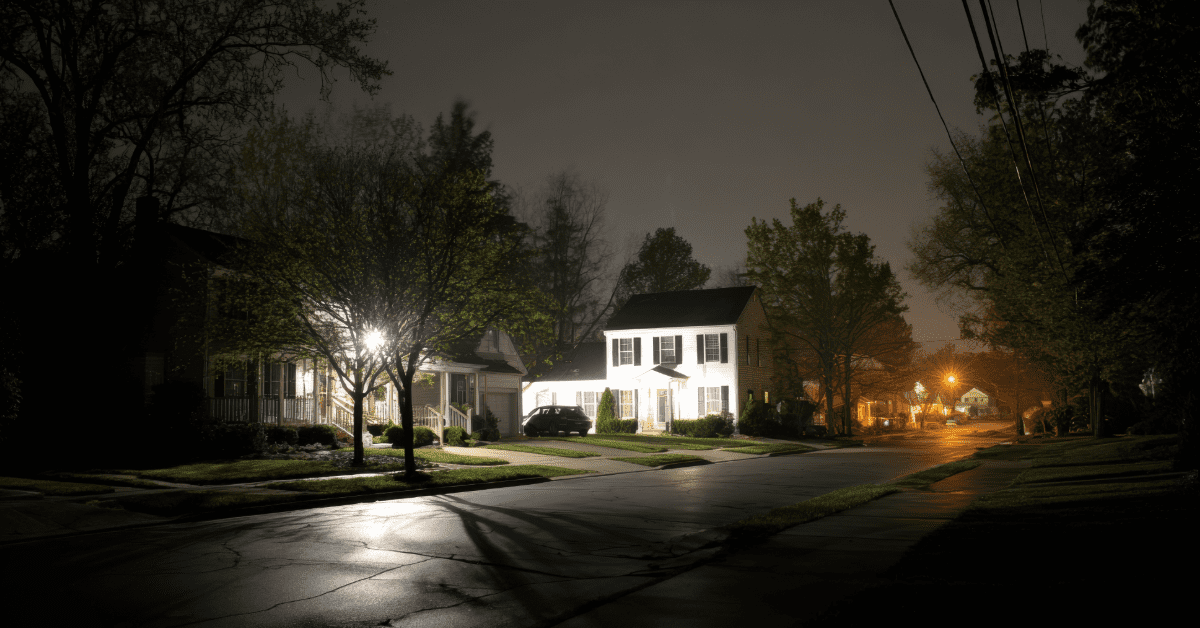
This is a more common scenario than most people expect in the Twin Cities metro. Storms, ice events, and grid stress during extreme cold snaps have made multi day outages a real planning concern for a lot of families. The battery’s job here is not to run everything. It’s to keep the right things running long enough to get through the event comfortably.
The essential load list for this family draws roughly 500 to 800 watts continuously, with occasional spikes when the sump pump kicks on. A 10 kWh battery covers about 12 to 18 hours of that load under normal conditions. For a two to three day outage, that’s not enough on its own unless the battery is also being recharged by solar during the day.
With solar recharging available, a single 10 to 13.5 kWh battery can stretch through a multi day event reasonably well during spring and fall when solar production is strong. In a January ice storm, production drops and recharge time extends. For families who want confident multi day backup through a Minnesota winter, two batteries or a larger capacity solar system is a more reliable answer.
Sizing guidance: One 13.5 kWh battery with solar recharge covers most outage scenarios through spring, summer, and fall. For year round winter confidence, budget for two batteries or a system in the 20 to 27 kWh range.
Scenario 3: The Whole-Home Energy Household
Profile: A 3,000 square foot home in a western suburb like Minnetonka or Eden Prairie. The homeowners heat with a heat pump, have two EVs, and are planning a full solar plus battery install. Their goal is to minimize grid dependence, manage their own energy as much as possible, and be genuinely prepared for extended outages in any season.
This is the most complex scenario and the one where sizing decisions matter most. A heat pump in heating mode can draw anywhere from 3 to 5 kilowatts depending on the system and outdoor temperature. Two EVs charging overnight add another 7 to 14 kilowatts of potential load, though a smart charging setup can schedule that during off-peak hours and reduce the simultaneous draw. The home’s baseline load on top of all that runs another 1 to 2 kilowatts continuously.
A single battery is not a serious answer here. This household needs enough storage capacity to handle evening and overnight needs, cover the heat pump through a cold night, and still have reserves for an outage situation. That points toward a system in the 27 to 40 kWh range, which typically means three or more batteries depending on the product.
The good news is that a home this size with a properly designed solar array can recharge that storage capacity meaningfully even in Minnesota winters, especially with south facing roof space and a system sized for seasonal variation rather than just peak summer production.
Sizing guidance: Plan for 27 kWh or more. A proper energy assessment is essential at this scale because panel sizing, battery configuration, and load management all have to work together for the system to perform the way the homeowners expect.

The Question Behind the Sizing Question
Battery size is really a proxy for a more important question: what do you want your home to be able to do, and under what conditions? A family that wants to trim their Xcel bill has different needs than one that wants to weather a January ice storm without calling family across town. Both of those are different from a household trying to gain as much independence from the grid and protection from fluctuating energy rate prices year round.
Getting clarity on your home energy goals first makes the sizing conversation much more productive. It also tends to save money, because homeowners who know exactly what they need rarely overbuy or end up with a system that doesn’t do what they expected.
A home energy assessment is the most practical way to work through this for your specific home. It looks at your actual usage, your current setup, and your goals before any recommendation gets made. From there, a specialist can walk through which battery configuration makes sense and how it fits into a broader energy plan.
Powerfully Green Solar helps homeowners across the Minneapolis–St. Paul area take control of their energy use through smarter systems, not just solar alone. If you’re trying to figure out what size battery actually fits your home and your goals, schedule an energy assessment and we’ll work through it together!