
Most homeowners think about energy the same way they think about water pressure, it’s either there or it isn’t, and the bill is just part of the deal. You use what you use, the utility sends an invoice, and you move on. That mindset made sense when electricity rates were stable and predictable. It makes a lot less sense now.
Minnesota electricity rates have been rising faster than the historical national average, and that trend is not expected to reverse. Data centers, grid upgrades, inflation of resources, and shifting demand patterns are all putting upward pressure on what utilities charge.
For homeowners, the result is a bill that keeps climbing even when usage stays the same. The question is no longer just “how do I use less energy?” It’s “how much more expensive can my energy get?”
That’s what home energy management works to address.
What Energy Management Is (And What It Isn’t)
Energy management is not a product. It’s not a single device you install and forget. It’s a way of thinking about how your home produces, stores, and uses electricity, then putting systems in place that give you real control over those three things.
A home that manages energy consumes less because energy use is aligned with your priorities and needs.
This might mean generating some of your own power through solar. It might mean storing that power in a battery so it’s available when the sun goes down or when grid rates are highest under time-of-use opt-in utility rate programs. It might mean knowing which appliances are drawing the most electricity and when, so you can automatically shed unnecessary loads. In some cases, it means all of the above working together.
The alternative, which is how most homes operate, is passive consumption. Power comes in from the grid, appliances run whenever they’re turned on, and the bill reflects whatever the utility decides to charge. There’s no strategy or thought involved, which leads to higher energy consumption and a higher energy bill.
Why This Matters More in Minnesota Than Most Places
Minnesota homes carry an energy load that most other states don’t deal with at the same scale. The heating season runs long, typically from October through April, and while many homes heat with natural gas, electric demand still spikes significantly during cold stretches. At the same time, summer cooling loads are heavy and can significantly impact your monthly bill.
The result is a home that swings hard between two demanding seasons, with relatively little middle ground. That kind of usage pattern is exactly where energy management pays off most. When your home has the ability to shift load, store power, or generate its own electricity, seasonal spikes become something you can respond to rather than just absorb.
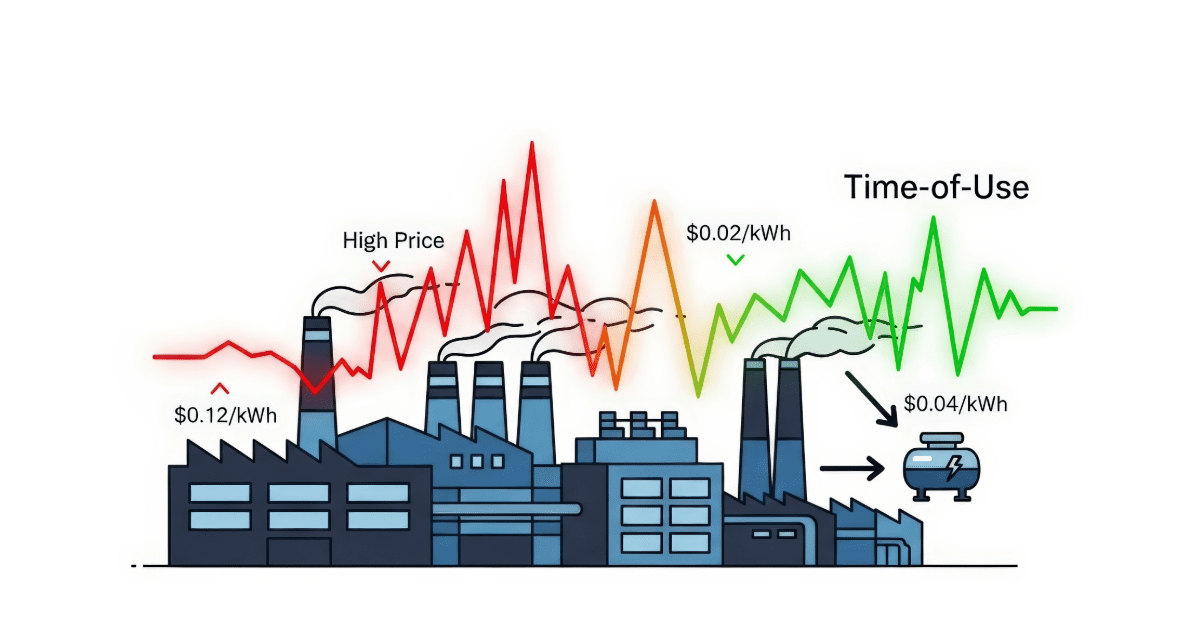
Minnesota’s utility landscape adds another layer. Xcel Energy and other providers in the region have been moving towards time-of-use pricing structures with opt in pricing programs. In a time-of-use electricity rate program, the rate price will vary depending on the time of day or night you use it. Peak electricity prices may be as high as $0.27 cents/kWh while off-peak might be as low as $0.03 cents/kWh. Which means the price of electricity varies depending on when you use it.
Homeowners who understand and adopt time-of-use energy billing may be able to lower their costs even further. By charging their home battery overnight, when prices are lowest, and using it during peak pricing hours, your energy costs can be reduced.
The Systems That Make Energy Management Work
A home energy management system typically involves some combination of the following, depending on your needs and goals:
- Solar panels generate electricity from sunlight, reducing how much energy you pull from the grid during the day. In Minnesota, a well designed system produces enough power to run your home when the sun is out all year round.
- Battery storage can be used with or without solar. With solar it captures excess energy production to use when the sun is down, further avoiding buying energy from the grid. Without solar, home batteries can take advantage of utility programs like time-of-use to purchase and store energy when prices are lowest and use that energy during peak energy cost periods.
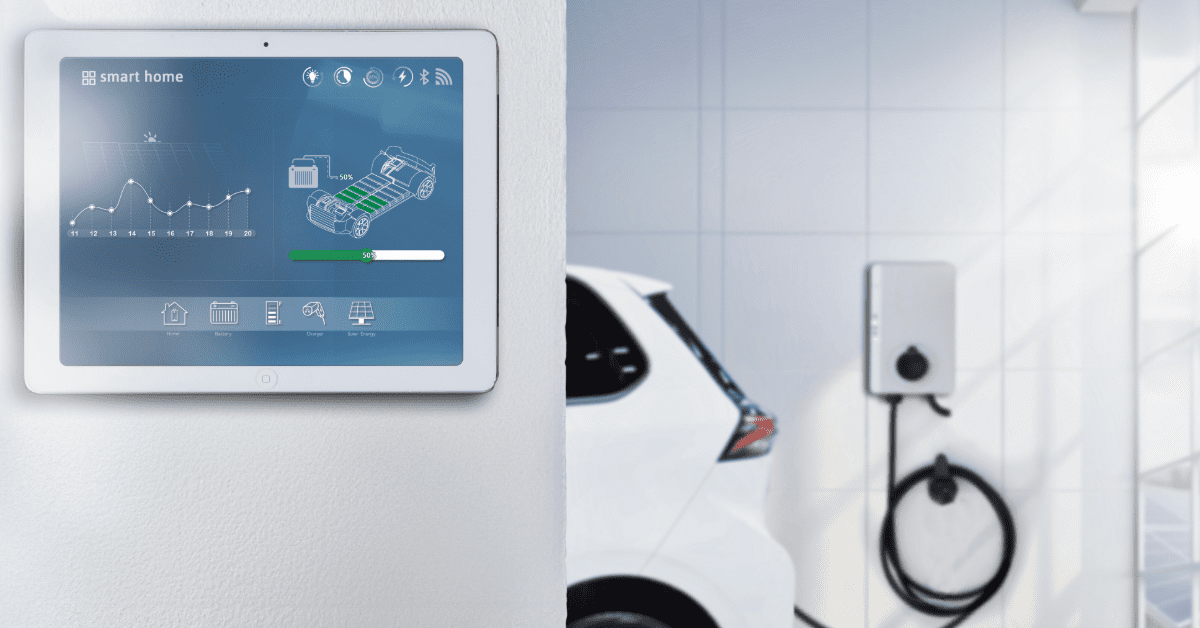
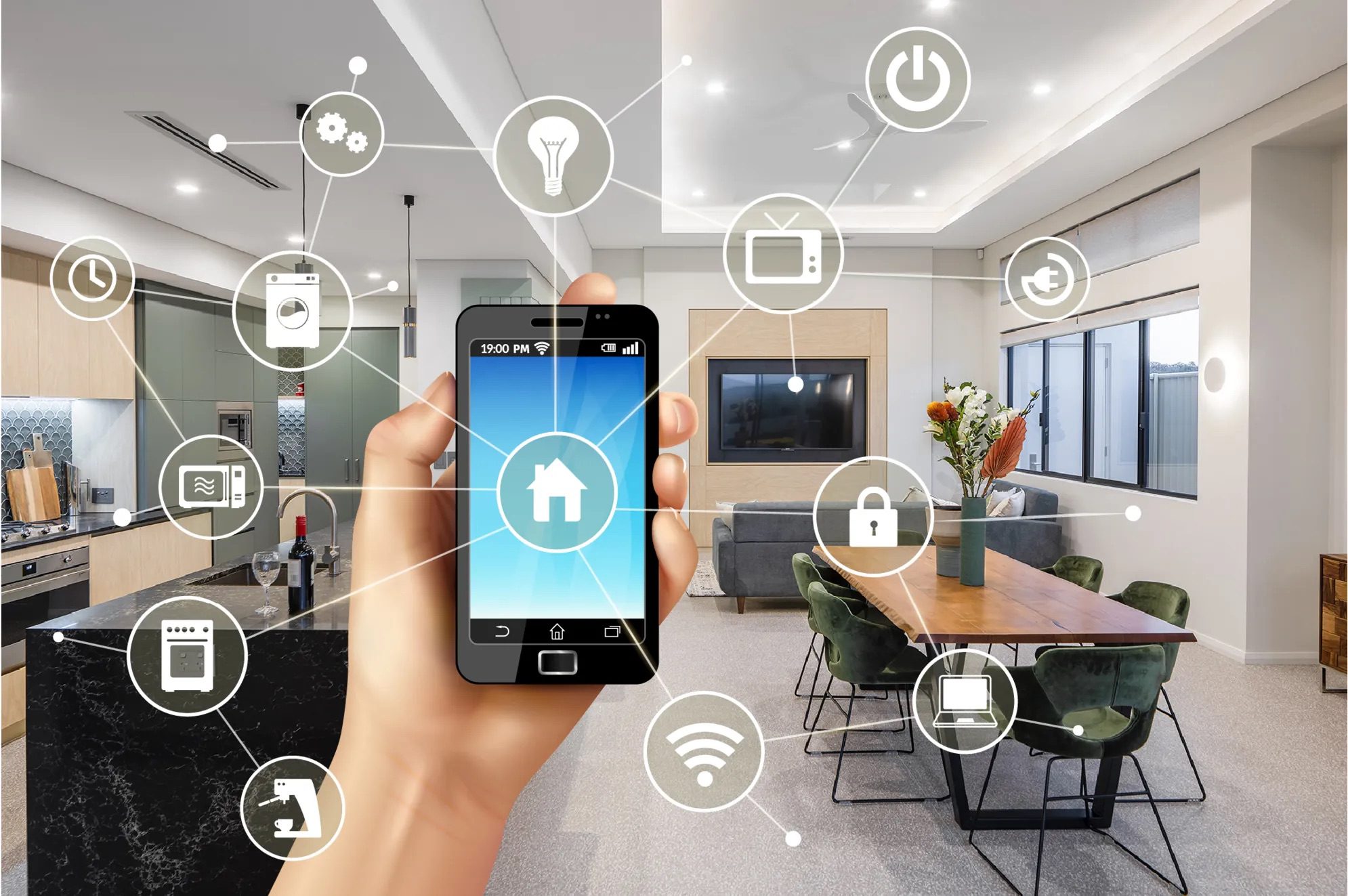
- Smart panels replace or supplement your existing electrical panel with one that can display all energy use in your entire home down to the circuit, automatically shed unnecessary energy loads, prioritize specific energy loads during an outage, and integrate cleanly with solar and battery systems.
- EV charging readiness matters because an electric vehicle is one of the largest new electrical loads a home can take on. How and when you charge it can have a significant effect on your overall energy cost, and the right setup lets you charge using solar or off-peak power programs instead of regular utility grid rates.
These components don’t have to be installed all at once. Many homeowners start with solar and add battery storage later. Starting with an energy assessment to understand your usage before deciding which systems make the most sense is the best first step. The point is that each piece connects to the others, and decisions made early may affect what’s possible later.
Where to Start
The most common question homeowners have when they start thinking about this is: what do I do first? The answer depends on the home. A house with high baseline electricity use and an aging breaker panel has different priorities than one that’s already running with solar and ready to optimize their energy production with a battery.
We recommend thinking about your energy usage in terms of a needs analysis. By using this approach you start to consider when you use energy, what you use it for, how much you may be using at any given time etc. Taking the time to understand your home’s energy usage patterns can be extremely beneficial before making any investments.
Determining which upgrades will have the most impact should be your priority. From there, a plan can be built that fits the home, the budget, and the long term goals.
Powerfully Green Solar helps homeowners across the Minneapolis–St. Paul area take control of their energy use and cost by designing home energy management systems [HEMS] that align with your home, your family’s needs, and your energy budget.
If you’re ready to understand what energy management could mean for your home, schedule a free energy assessment or talk to one of our energy specialists today.