Home Batteries
Home batteries are a smart way to avoid rising energy rates, reduce reliance on the grid, & provide peace of mind during outages.
How Home Batteries Work
Home batteries can be used alone or with other energy saving tools to effectively help lower and stabilize your energy costs by avoiding peak rates under a Time-Of-Use rate structure, optimizing your solar energy production, and reducing your reliance on the grid. Batteries are so much more than just reliable backup power!
Home Battery Advantages
Back Up
Customize you batteries so they automatically turn on when the power goes out.
Max Consumption
When paired with solar you can avoid paying for energy even when the sun is down.
Reduce Peak Costs
Avoid peak energy rates by using your battery when energy costs are highest.
Easy Integration
Batteries can easily be added to your solar energy system or can be stand alone methods to reducing your costs!
Back Up
Customize you batteries so they automatically turn on when the power goes out.
Max Consumption
When paired with solar you can avoid paying for energy even when the sun is down.
Reduce Peak Costs
Avoid peak energy rates by using your battery when energy costs are highest.
Easy Integration
Batteries can easily be added to your solar energy system or can be stand alone methods to reducing your costs!
The Main Types of Batteries
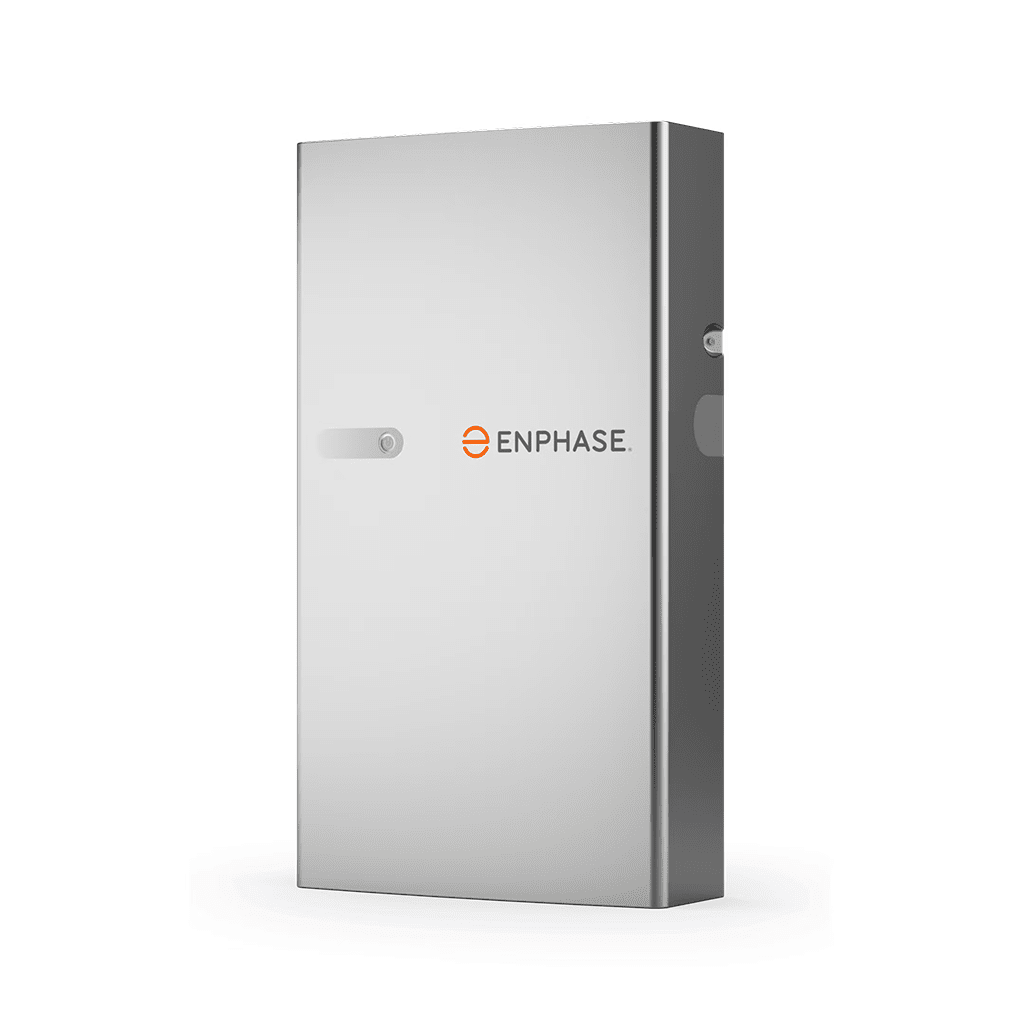
Lithium Iron Phosphate
Lithium-Iron Phosphate, or LiFePO4, batteries are safe, long lasting, and highly efficient. They’re ideal for home energy systems, providing reliable, low maintenance energy storage for years.
Efficiency: 90-98%.
Lifespan: 10-15 Years
Example: Enphase IQ Battery 5P
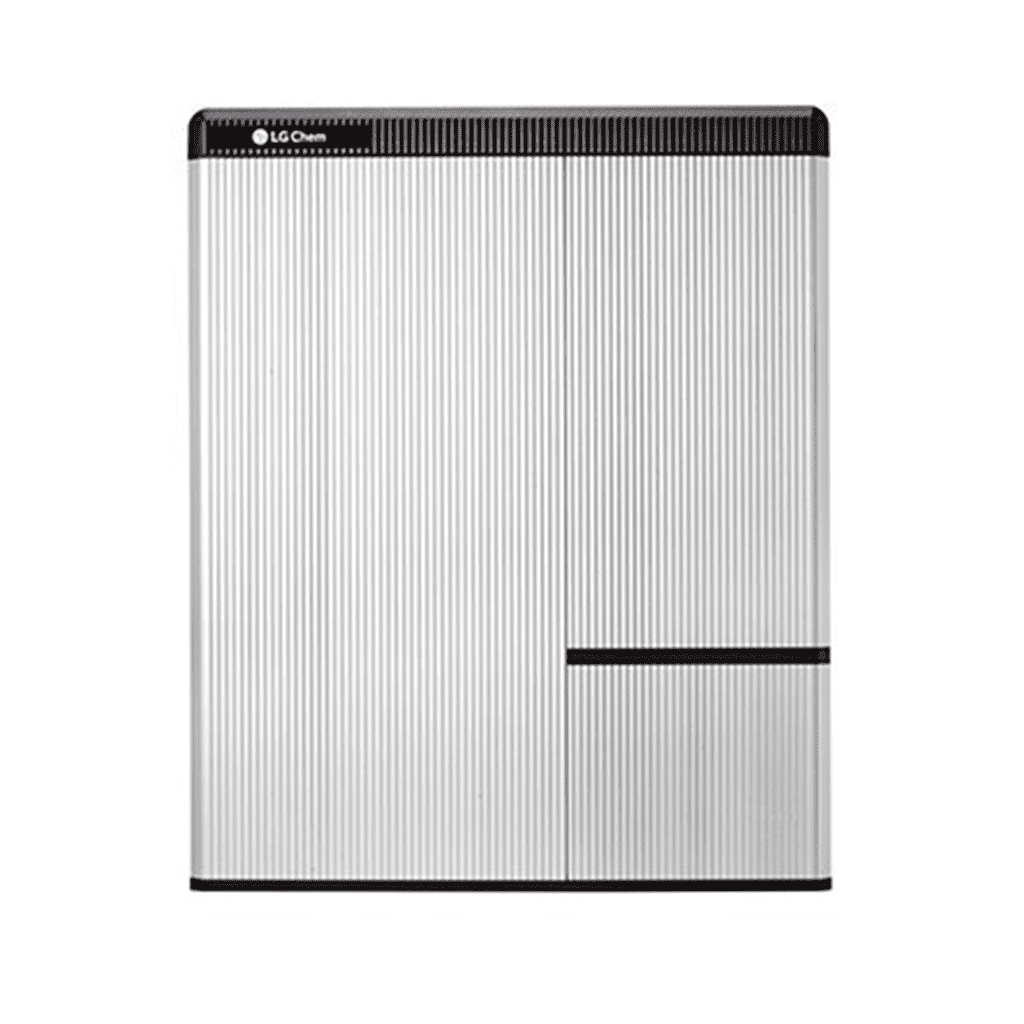
Lithium Ion
Lithium-Ion Batteries are the most common for residential and commercial storage due to their efficiency and lifespan. Known for fast charging and deep discharge capabilities, they are ideal for daily cycling.
Efficiency: 90-95%.
Lifespan: 10-15 Years
Example: LG Battery 10H(Type-R)
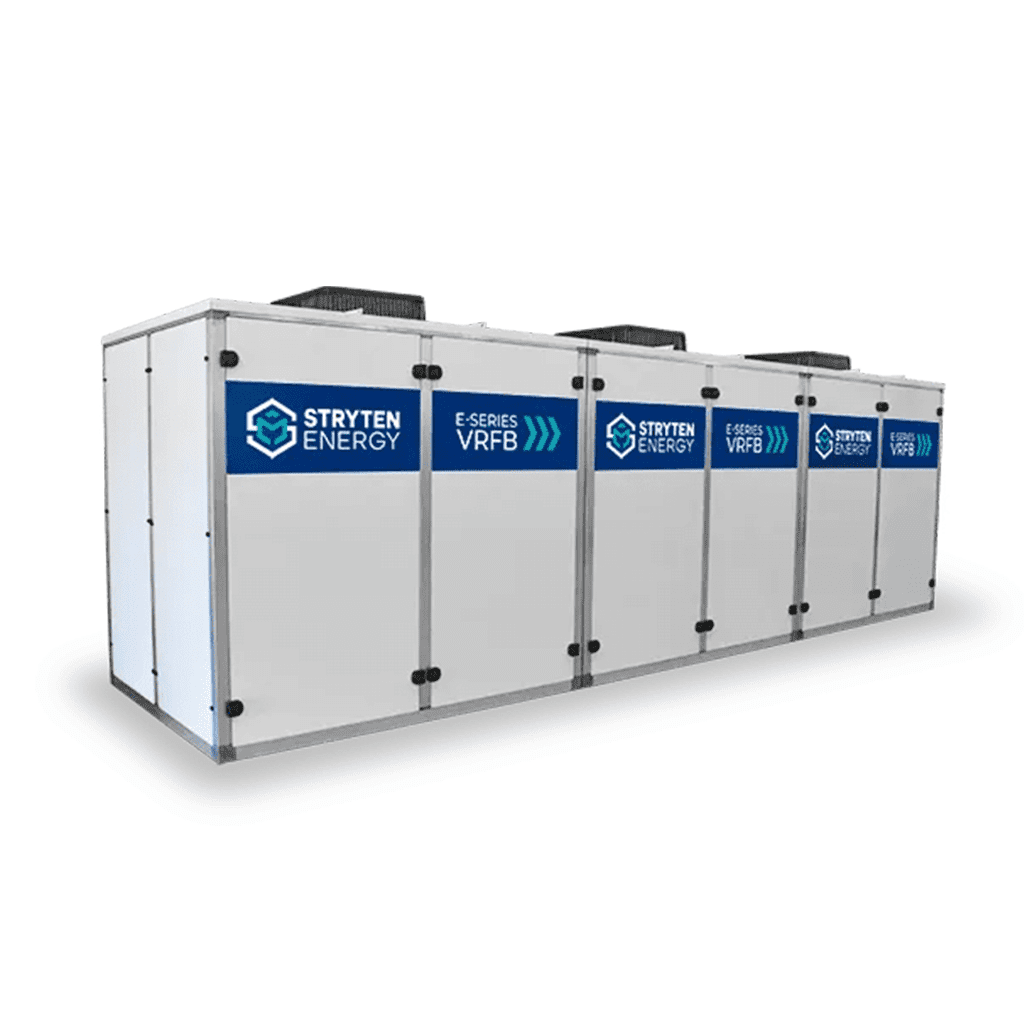
Flow Batteries
Flow batteries are ideal for long duration storage and large scale applications, making them a good option for commercial installations. They also have a longer lifespan and can handle more cycles without degrading.
Efficiency: 70-85%.
Lifespan: 20+ Years
Example: Vanadium Redox Flow Battery
Home Battery Incentives
There are a variety of home battery incentives in Minnesota that can help you reduce the cost of your home energy system so you can lock in savings for decades!
Related Posts

Battery Backup for Minnesota Homes: What It Actually Does During an Outage
When the power goes out in the middle of January and the temperature outside is twelve degrees, the question of what your home battery is actually doing becomes a lot less theoretical.
Most homeowners who look into battery storage have some version of backup power in mind. But there’s a significant gap between what people imagine a home battery does during an outage and what it actually does. That gap often leads to either oversizing out of anxiety or undersizing because the sales conversation glossed over the details. This post is about closing that gap.

How Big of a Battery Do You Need? 3 Home Scenarios
Most homeowners think about energy the same way they think about water pressure — it’s either there or it isn’t, and the bill is just part of the deal. You use what you use, the utility sends an invoice, and you move on. That mindset made sense when electricity rates were stable and predictable. It makes a lot less sense now.
Minnesota electric rates have been rising faster than the national average, and that trend is not expected to reverse. Data centers, grid upgrades, and shifting demand patterns are all putting upward pressure on what utilities charge. For homeowners, the result is a bill that keeps climbing even when usage stays the same. The question is no longer just “how do I use less energy?” It’s “how much more expensive can my energy get?”
That’s what home energy management actually means.