
Where Should You Install an EV Charger? Garage vs Exterior vs Detached

Once you have decided on a Level 2 charger, the next question is where it goes. Placement is not just a matter of preference. It affects how much the installation costs, what equipment you need, weather is a factor, and how the project gets permitted and inspected. In Minnesota, the cold and snow add a few considerations that warmer states don’t have to think about. Here is how the three most common locations compare.

Should you install an EV charger in an attached garage?

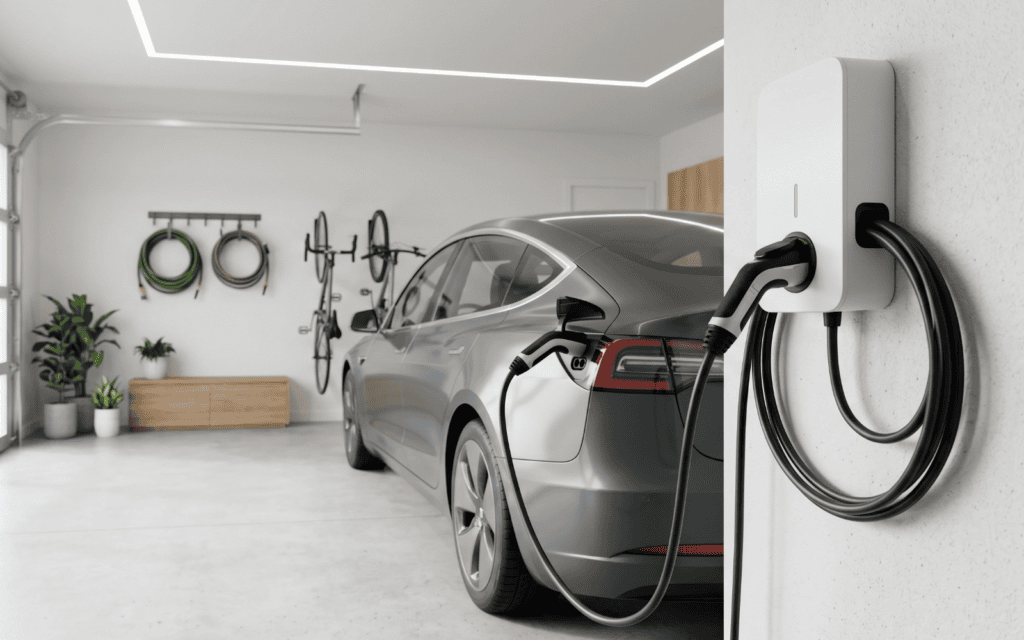
For most homes, an attached garage is the easiest and least expensive place to install an EV charger. The electrical panel is often in or near the garage, which keeps the wiring run short and the cost down. 

The charger and the car are protected from snow, ice, and direct weather, so you can use standard indoor rated equipment. Parking inside also means you can precondition the battery and warm the cabin in a sheltered space before a cold morning commute, which for many residents is a huge positive in the often subzero Minnesota temperatures.

If your panel is in the garage and has capacity to spare, this is often a clean, straightforward job. The main thing to confirm up front is whether the panel can handle the added load, which is part of any proper site assessment.

What about an exterior wall or driveway?

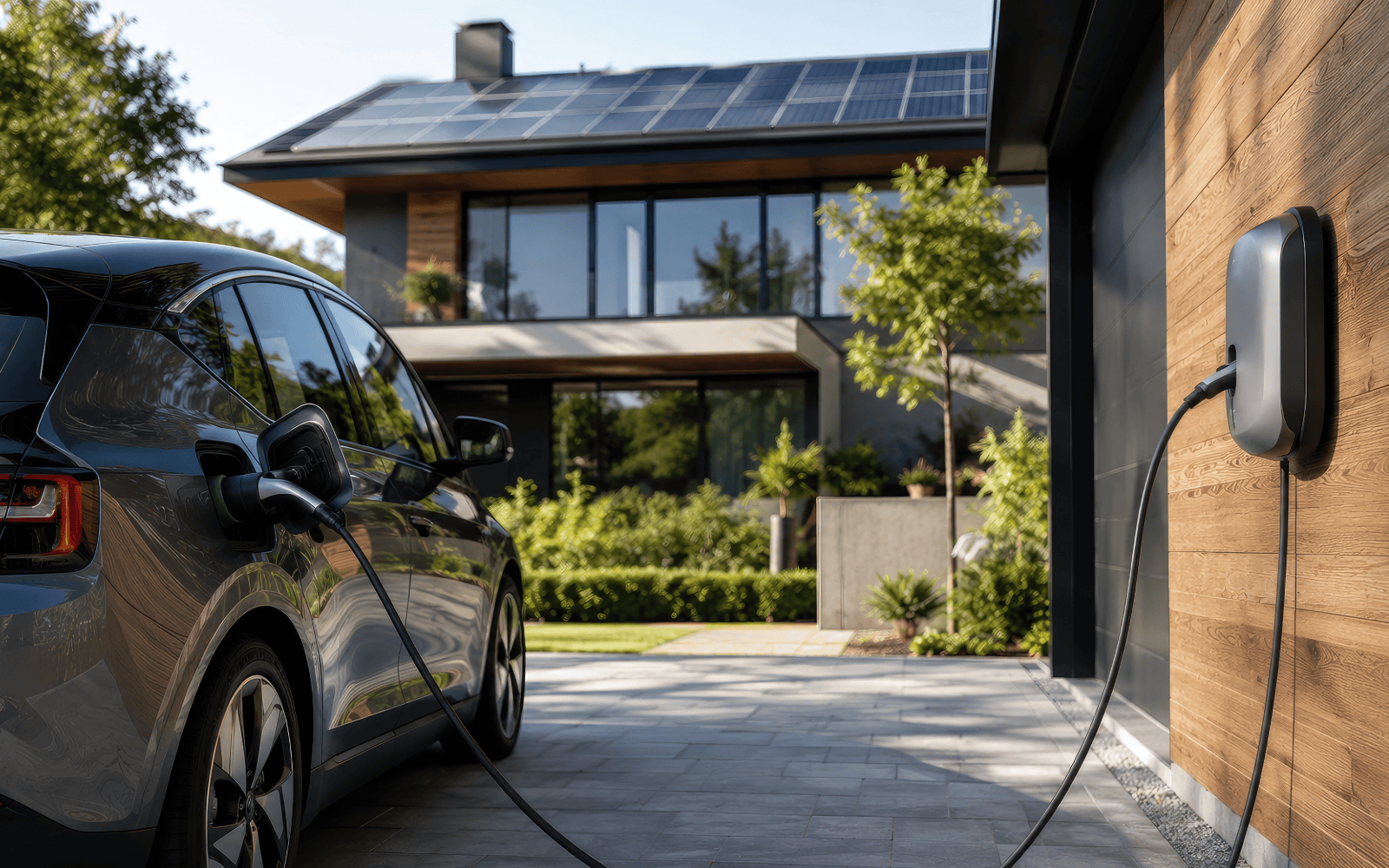
If you park outside or do not have a garage, mounting a charger on an exterior wall near where you park is a practical option. The key difference is the equipment. Outdoor installations need a weather-rated charger and enclosure built to stand up to rain, snow, and temperature swings, along with the right outdoor wiring and protection. 

Quality Level 2 chargers are rated for outdoor use and can handle the Minnesota cold without trouble, but the rating and the installation details matter, so this is not a place to cut corners.

Beyond the equipment, think about practical things: where the cable reaches, how you will manage it so it is not lying in snow, and clearance from where you actually park. A clean exterior install can work very well. It simply asks for the right hardware and a bit more planning than you would need if you were to install a charger in a garage.
Can you install a charger in a detached garage?

A detached garage is the most involved of the three, usually because of distance. If the garage is not already wired with enough capacity, power has to be run to the structure, which may mean trenching and conduit and, in many cases, a subpanel in the garage. 

Longer runs also introduce voltage drop considerations that affect how the circuit is sized. None of this is a dealbreaker, and plenty of detached garages end up with excellent charging setups, but it is the option most likely to involve added cost and a more detailed plan. A capacity check and a clear wiring plan matter most here.

What Minnesota specific factors affect placement?

A few things are worth weighing regardless of location.

Cold and snow matter more here than in milder climates. Equipment ratings, cable management, and clearance from snow and ice are all worth planning for. A charger and mounting height that keep cables and connectors out of snowbanks will improve safety and  frustration every winter.

Off-peak rate programs can influence placement too. Several Minnesota utility programs, including options from Xcel Energy and from cooperatives like Connexus Energy, involve charging on an off-peak schedule, and some require a separate meter socket to qualify for the lower rates or rebates. 

Where that meter socket is located can affect where the charger and circuit are placed, so it is worth deciding which program you want to take advantage of before the work is laid out. Program rules also vary by utility, so confirm the requirements for your provider first.

Panel capacity is the common thread. Every one of these locations depends on your electrical panel’s ability to support the new circuit. Where it cannot, an upgrade or a smart panel that manages and prioritizes loads can help the charger fit within your existing service constraints. 

Some Minnesota utilities also offer incentives toward panel upgrades, which can help offset some of the cost if you choose, or need to, upgrade your utility panel.

Why should a licensed electrician install your charger?

Wherever the charger goes, a Level 2 installation involves a dedicated circuit, a load calculation to confirm your service can carry it, a permit, and a state electrical inspection. That inspection is not just a formality. In most cases it is required to qualify for a utility rebate, so doing the work properly and getting it inspected protects both your safety and your incentive. 

Powerfully Green Solar is a licensed electrical contractor, our team can assess your panel, recommend the best location for the charger, size the circuit correctly, pull the permit, and handle the inspection. 

If you are still weighing your options on how fast you need your EV charger to be, our post on Level 1 vs Level 2 Charging at Home can help with that decision. And because EV charging connects to how your whole home uses energy, it often fits naturally alongside solar, batteries, and home energy management.

Powerfully Green Solar serves homeowners across Minneapolis and the Twin Cities. Talk to a specialist or schedule an energy assessment with our team by clicking the button below. 

Utility rebate and off-peak program requirements vary by provider and change over time. Confirm current details with your electric utility before planning your installation.

Lower Bills Start With Better Control

Scroll to Top