Most electric vehicle charging happens at home, overnight, while the car sits in the driveway or garage. That makes your home charging setup a part of EV ownership you live with every day. The first real decision is whether to charge at Level 1 or Level 2? The answer depends on how you drive, the age of your home electrical system, and a few things that are specific to Minnesota like our cold winters and utility programs that will incentivize you to charge during off-peak periods.
What is Level 1 charging?
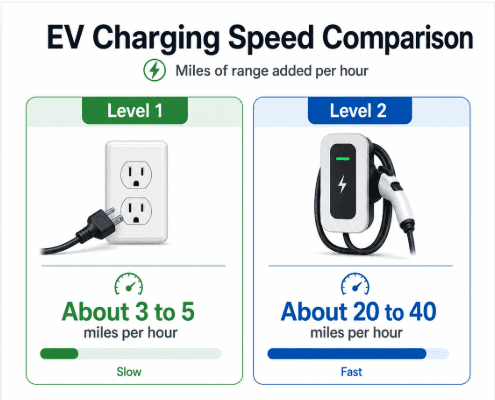
Level 1 is the charger that comes in the box with most EVs. It plugs into a standard 120-volt household outlet, the same kind you use for a lamp or a phone charger. There is nothing to install, which is part of the appeal, but it is slow. Level 1 adds roughly 3 to 5 miles of range per hour, so an overnight charge restores something like 30 to 50 miles.
For a plug-in hybrid, a second car, or a driver with a short and predictable commute, that can be enough. If you only put on 20 or 30 miles a day, Level 1 quietly keeps up while you sleep, and you may never need anything more. And, if you periodically need a faster charge you have the option to use a commercial charging station nearby.
What is Level 2 charging?
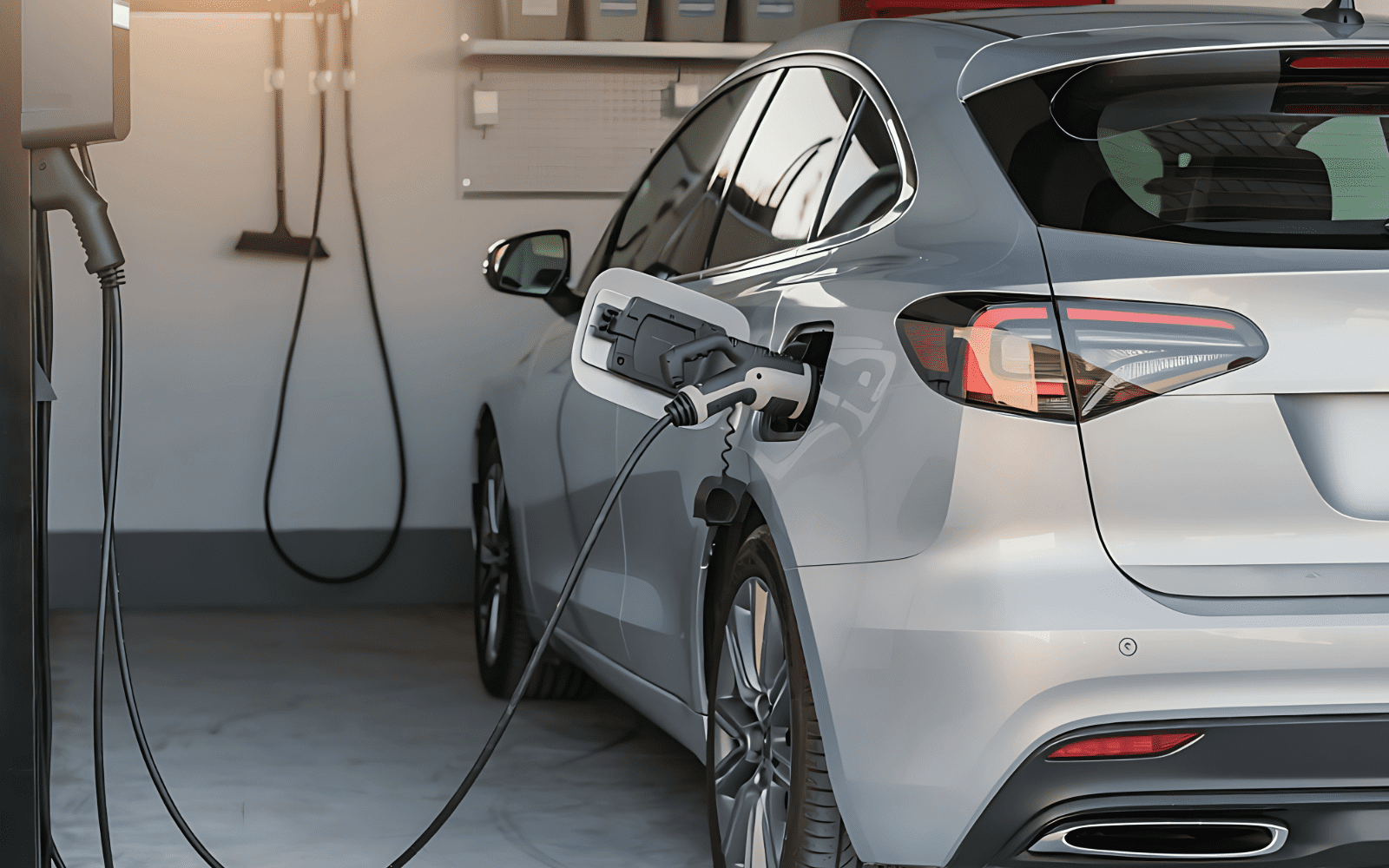
Level 2 runs on a 240-volt circuit, the same voltage that powers an electric dryer or oven. It requires a dedicated circuit and, in most cases, a wall mounted charging unit installed by a licensed electrician. It charges far faster: roughly 20 to 40 miles of range per hour depending on your vehicle and the amperage of the circuit. With a Level 2 charger a nearly empty battery can be full by morning.
Level 2 chargers make sense for most electric vehicle households with higher daily mileage. It is also the level that Minnesota’s utility rebates and off-peak EV rate programs are built to support.
How do Minnesota winters affect EV charging?
EV range drops in the cold, and Minnesota winters are long. Batteries also charge slower when they are colder. Level 2 helps in two ways: it restores range faster, so a winter morning’s reduced range is less of a problem, and it gives you the headroom in the battery to precondition the cabin so you can step into a warm vehicle on even the coldest Minnesota morning.
With Level 1, preconditioning can eat into the slow charge you are trying to build overnight. For most Minnesota drivers who rely on their EV daily through the winter, that headroom is a strong argument for Level 2.
Which Minnesota utility rebates apply to home charging?
This is where the Minnesota story differs from a generic car charging guide, because the program you qualify for depends on which utility serves your home. Much of the Twin Cities metro core is served by Xcel Energy. Parts of the north metro, including most of Blaine, are served by cooperatives like Connexus Energy. If you live south of the cities you may be served by Dakota Electric Cooperative or Shakopee Public Utilities. The first step to figuring out what rebates you may apply for is knowing your utility provider.
For example, Xcel offers a rebate toward a Level 2 charger and the wiring it needs, with a larger amount available to income-qualified households, plus a separate incentive toward upgrading an undersized electrical panel. Xcel customers can also earn a recurring bill credit for charging during off-peak hours, or move EV charging onto a separate off-peak meter at a reduced rate.
Connexus offers its own rebate toward a qualifying Level 2 charger for members who enroll in an EV rate, along with off-peak charging that can cut the cost of the electricity itself by a meaningful amount.
Rebates and program terms can change because each utility sets its own rules, so the smartest move is to confirm what your specific utility provider offers before you buy equipment.
Nearly all of these programs are designed for Level 2, which is one more reason it tends to win out for primary vehicles.
Will your electrical panel handle a Level 2 charger?
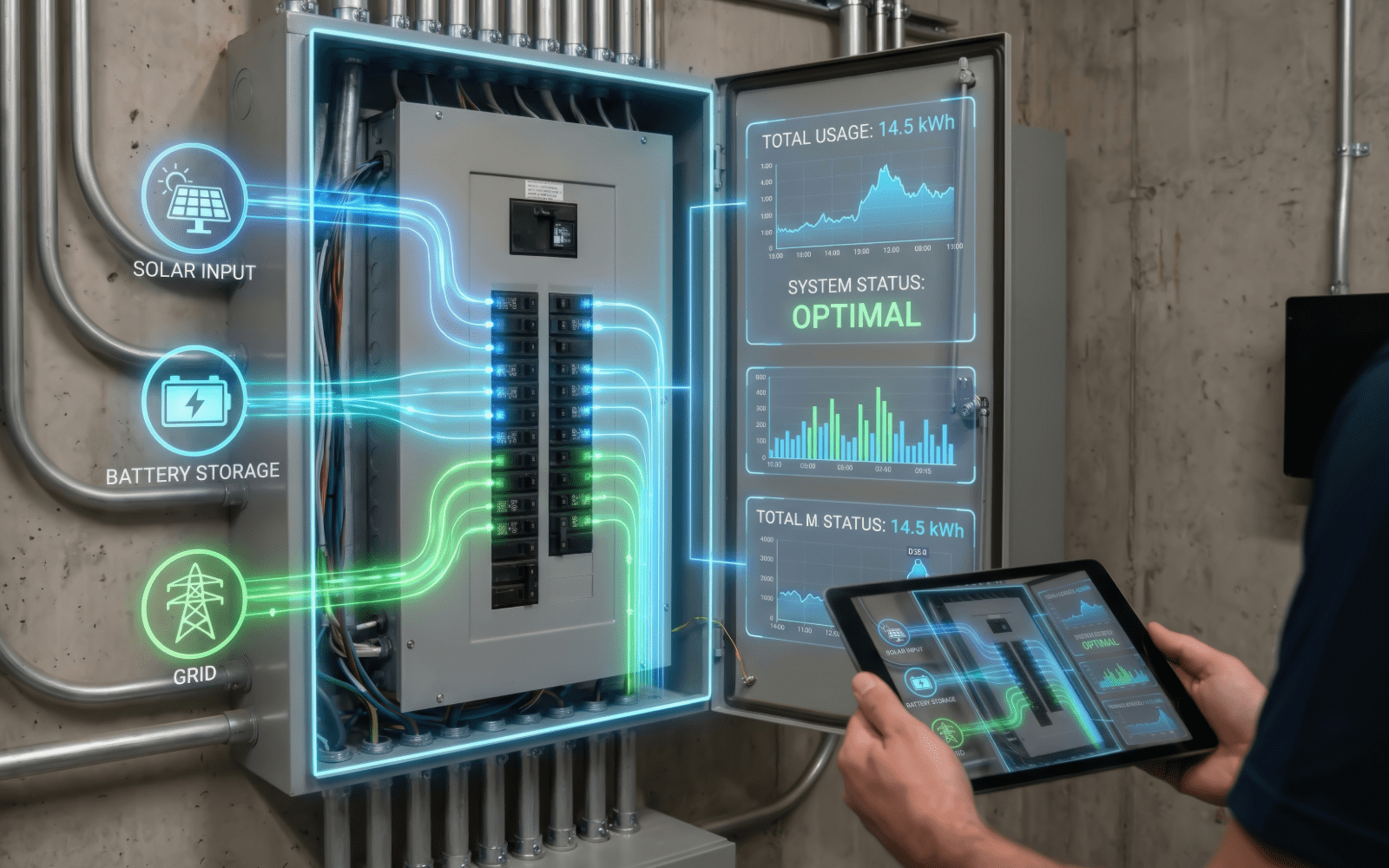
Many older Minnesota homes have panels that are full or may be undersized for the added load of EV charging. Adding a Level 2 circuit means checking that the panel can handle it, and in some cases, a panel upgrade may be required. This is also where load management comes in. A smart panel can prioritize and shed loads so that EV charging fits within your existing service instead of forcing a larger upgrade, and it ties charging into a broader home energy management strategy rather than treating it as an isolated add on. As a home energy expert Powerfully Green Solar can assess your existing electrical infrastructure and provide guidance on how to introduce the most reliable, cost effective car charging system.