

If you’ve been researching solar or battery storage, you’ve probably started seeing smart panels come up in the conversation. They sound straightforward enough — a smarter version of your electrical panel — but the actual explanation of what they do and why someone would pay for one tends to be either too vague or too technical to be useful.
This post is the straight forward explanation on smart panels. What a smart panel is, what it actually does inside your home, how it fits into a broader energy plan, and the situations where upgrading to one makes genuine sense for a Minnesota homeowner.
What a Standard Electrical Panel Does (And Where It Falls Short)
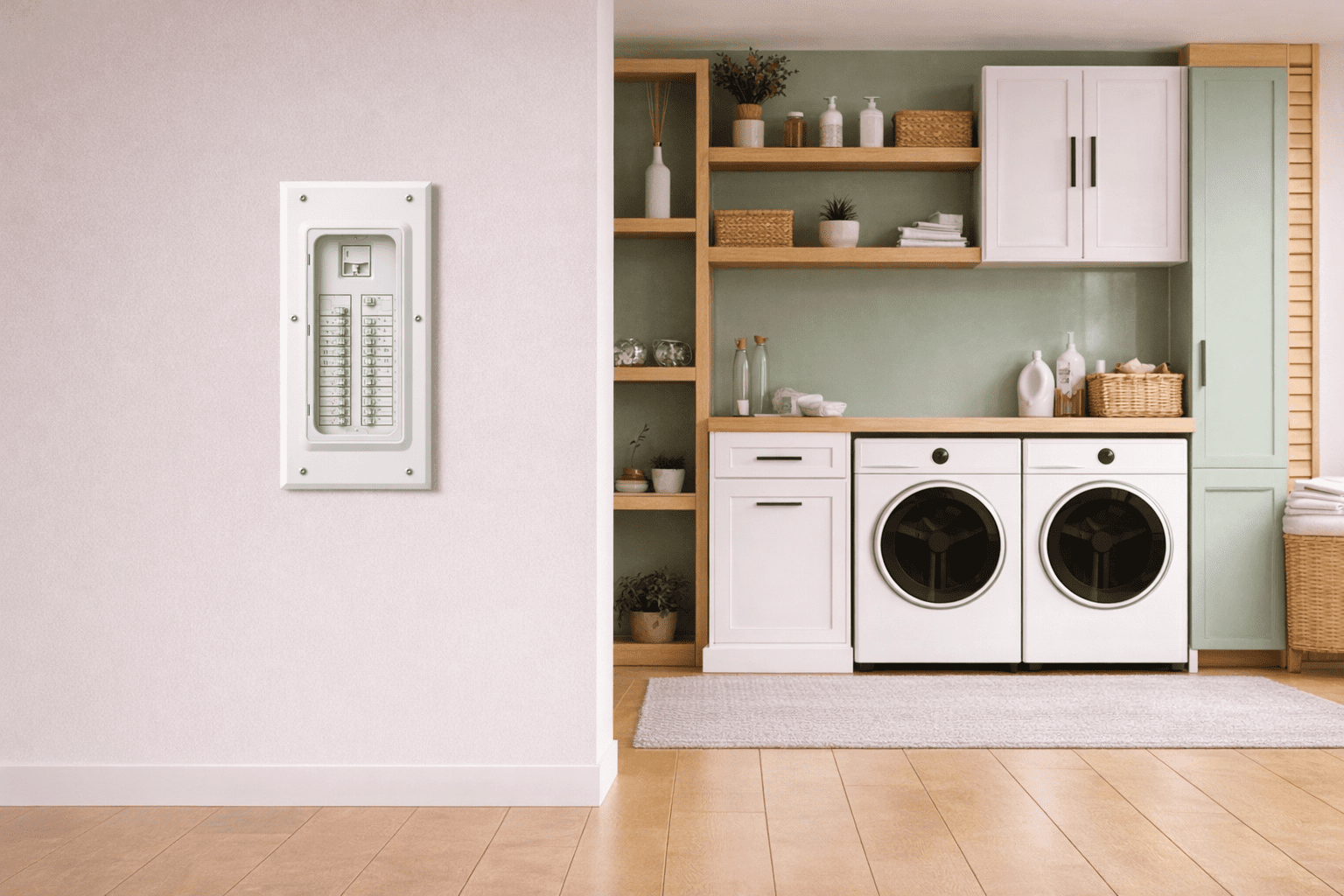
Your current electrical panel is a distribution system. Power comes in from the utility, the panel splits it into circuits, and each circuit feeds a section of your home. That’s essentially all it does. It has no awareness of how much power each circuit is using, no ability to prioritize one load over another, and no way to communicate with other systems in your home.
That worked fine for decades when homes were simpler. But a modern home with solar panels, a battery, an EV charger, and variable utility rates is a more complex energy environment than a standard panel was designed to manage. It’s not broken. It’s just limited.
When the power goes out and you have a battery, a standard panel can’t automatically direct power to your most important circuits and shut down the ones you don’t need. It treats everything the same. That means your battery might drain faster than necessary powering loads you don’t actually need during an outage, while the things you do need are running alongside them without any priority.
What a Smart Panel Actually Does
A smart panel replaces or supplements your existing electrical panel with hardware that adds visibility, control, and intelligence to how your home manages electricity.
At the most basic level, a smart panel shows you exactly how much power each circuit in your home is drawing, in real time. That alone is more useful than most homeowners expect. Knowing that the basement dehumidifier is pulling 800 watts continuously, or that the old refrigerator in the garage is using more electricity than the one in the kitchen, changes how you think about your energy use.
Beyond monitoring, smart panels can control individual circuits remotely or automatically. During an outage, the panel can be configured to prioritize essential loads, like the refrigerator, sump pump, furnace blower, and selected lights, while shedding nonessential loads automatically. That extends how long a battery lasts during an outage without requiring anyone to manually flip breakers in the dark.
For homes that opt into a Time-Of-Use[TOU] utility rate system, a smart panel can automate load shifting. Under a TOU system electricity rates are different prices during different hours of the day, the highest price usually beginning in the afternoon.
Smart panels can turn off or reduce power to flexible loads during peak TOU rate hours and restore them when rates drop, without any manual input from the homeowner. Over the course of a year, that kind of automated management can add up to real savings on an electric bill.
How Smart Panels Fit Into a Smart Home Energy Plan
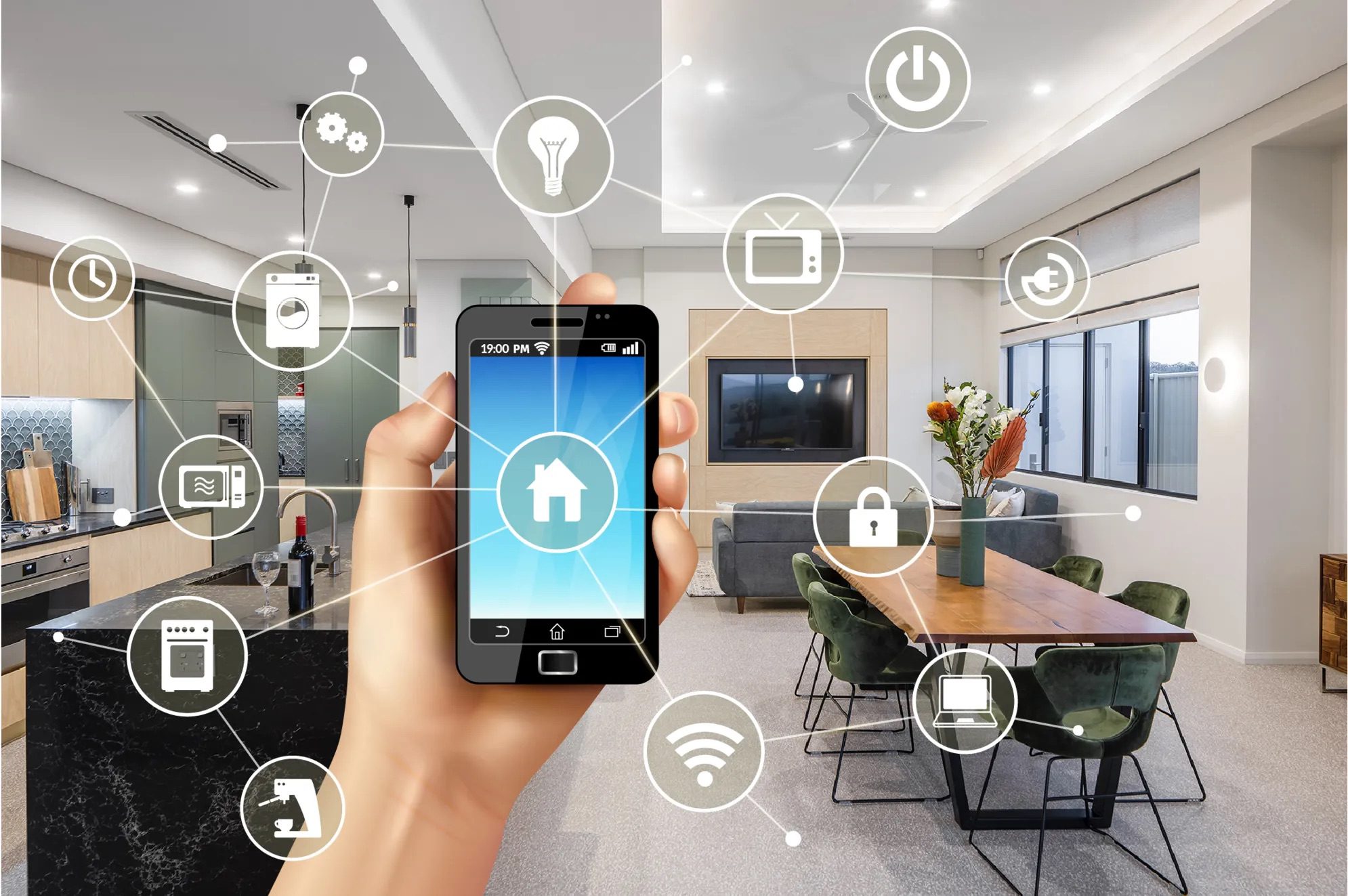
A smart panel on its own is useful. A smart panel connected to solar and battery storage is where the real capability shows up, turning a regular home into a fully functioning smart energy home!
With a smart panel in the mix, the whole system becomes aware. The panel can tell the battery when to charge, when to discharge, which circuits to prioritize, and how to respond to changing conditions.
This is what home energy management actually looks like in practice. It’s not one device working in isolation. It’s a set of systems that communicate with each other and respond intelligently to what’s happening in real time. The smart panel is the coordination layer that makes that possible.
For Minnesota homeowners with solar who are considering battery storage, adding a smart panel or smart circuits that can be attached to a single circuit in your breaker box to automate it can be part of that upgrade.
Why People Upgrade: The Most Common Reasons
Homeowners upgrade to a smart panel for a few different reasons, and the motivations often overlap.
The most common is for better home energy management. A standard panel can work with solar and battery systems, but it limits what the battery can do during an outage and how intelligently it manages day-to-day energy use. Homeowners who want the full control of a system like a LG Battery 10H or a Enphase IQ Battery should seriously consider smart panel to get there.
The second most common is outage preparedness. After experiencing a multi-day outage, many Twin Cities homeowners start thinking more seriously about how their home would function without grid power. A smart panel paired with a battery is a more capable backup solution than a battery alone, because it can automatically isolate the home from the grid, prioritize circuits, and manage the battery’s discharge to extend runtime.
The third is simply the desire for visibility and control. Homeowners who are serious about managing their energy costs want to know where the electricity is going. Circuit-level monitoring makes that possible in a way that a standard utility meter or a whole-home energy monitor cannot match.
Is a Smart Panel Right for Your Home?
Not every home needs a smart panel right now. If your current panel is in good condition and you’re not planning to add battery storage or significantly change your home’s energy systems, a smart panel may be a future consideration rather than an immediate priority.
But if any of the following apply to your situation, it’s worth including in the conversation when you evaluate your energy options:
- You’re planning to add battery storage in the next year or two
- You’ve had multi day outages and want reliable smart home backup capability
- You’re on or are considering a time-of-use rate plan and want to automate load management to save on costs
- You’re adding an EV charger and want to manage the charging load intelligently alongside other home systems
- Your current panel is aging and due for an upgrade anyway
For homes that are building toward a full energy management setup, it’s often the piece that makes everything else work even better. Installing it at the same time as a battery or solar system, rather than adding it later, can simplify the process.
Our smart panels page has additional details on specific products including what a view from your phone might look like.
The energy assessment form is the right starting point if you want a professional evaluation of whether your home is a good candidate and how a smart panel would fit into your broader energy plan. You can also talk to a specialist who can walk through the options specific to your setup.
Powerfully Green Solar helps homeowners across the Minneapolis–St. Paul and surrounding areas take control of their energy use through smarter systems, not just solar alone. If you’re thinking about what a smart panel could do for your home, schedule a free energy assessment and we’ll help you figure out if it belongs in your plan.