
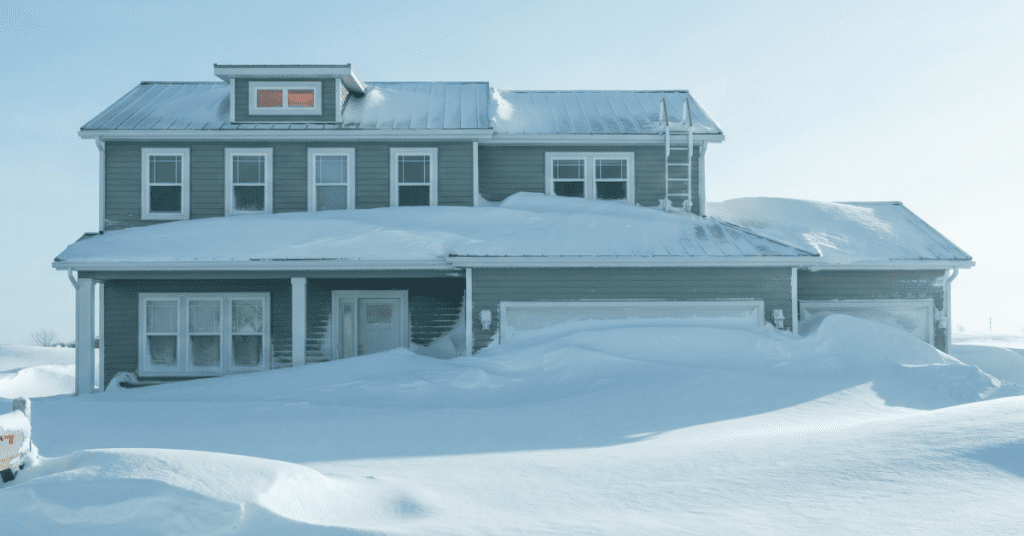
Even with spring in bloom, we in Minneapolis know it’s not too early to plan for next winter. Every January, the same thing happens. The bill arrives, the number is higher than expected, and the instinct is to assume something went wrong, the thermostat bumped up or an appliance running longer than it should. Sometimes that’s true. But more often, the spike has less to do with what you did and more to do with how your home responds to fluctuating Minnesota temperatures during winter.
Understanding what’s actually driving the increase is the first step toward doing something about it.
It’s Not Just the Cold
Cold temperatures do increase energy demand, but the relationship between temperature and your electric bill is more complicated than it looks. If your home heats with natural gas, the furnace itself may not show up on your electric bill at all, but the blower motor, the thermostat, and the ventilation fans do. Those aren’t huge loads individually, but they run more frequently when it’s cold, and that adds up.
The bigger factor for most homes is something called envelope performance. Your home’s envelope is everything that separates the conditioned inside from the unconditioned outside, walls, windows, the attic and more.
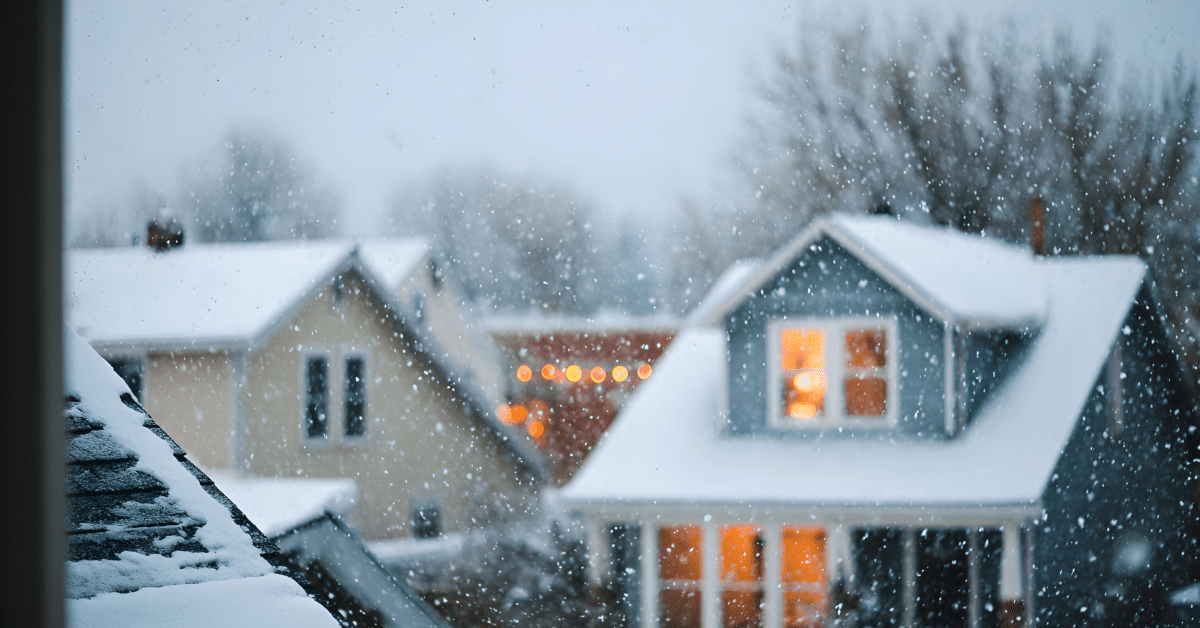
When your home’s envelope has gaps like weak insulation, or aging windows, the heating and cooling systems have to work harder and longer to maintain the set temperature. The furnace might run for 20 minutes instead of 12. The difference in your bill can be significant, even if nothing in your behavior changed. It’s best to check these factors first before moving towards solutions designed specifically for lowering your overall energy costs.
Why Bills Keep Going Up Even When Usage Stays the Same
This is the part many Minnesota homeowners find genuinely frustrating: the bill goes up, but nothing in the home has changed. The heat was set to the same temperature. The same appliances ran. The household routine was identical to the year before.
The explanation is rate increases. Minnesota utilities have been raising residential electric rates at a pace that exceeds the historical average. Xcel Energy, which serves much of the Minneapolis – St. Paul metro, has filed for and received several rate increases in recent years, and more are expected.
When your usage is flat but the price per kilowatt hour goes up, the bill goes up automatically. There’s nothing wrong with your home, you’re simply paying more for the same power.
This is an important distinction because the solution is different. Fixing a drafty attic or poor insulation helps if usage is the problem. It doesn’t help if the rate is the problem. Addressing rate exposure requires a different kind of thinking, one that involves looking at where your electricity comes from and when you use it, not just how much.

What “Doing Something About It” Actually Means
Once you understand what’s driving your high winter bills, the response becomes more focused. For most homeowners, it falls into one of three categories.
The first is reducing consumption. Better insulation, air sealing, efficient appliances, and smart thermostats all reduce how much electricity the home needs. These measures have a real return and are usually the right starting point.
The second is shifting when consumption happens. Opting into current Minnesota time-of-use rate structures charge more during peak demand hours, typically late afternoon and evening, and less overnight and on weekends. Homeowners who can capitalize on this by pulling energy from the least expensive hours during the day and using that energy when they need it, end up paying less per kilowatt hour without using any less power overall.
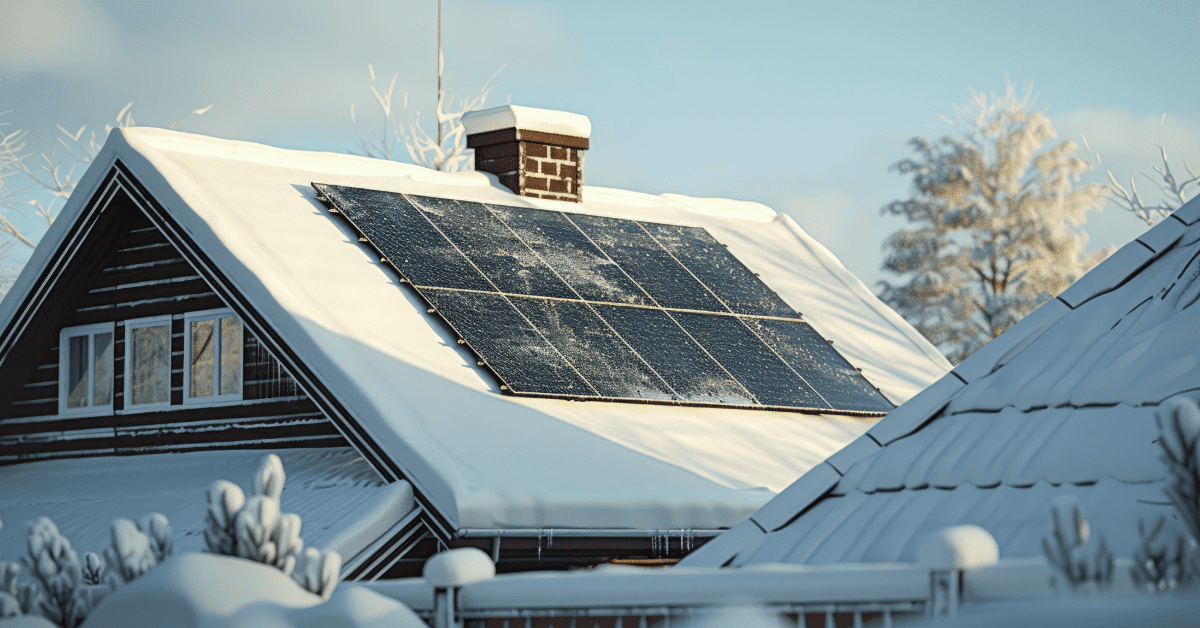
The third is changing where the electricity comes from. Producing solar energy to power your home during the day and pulling stored energy from a battery when the sun goes down produces significant savings year round.
Most homes benefit from some combination of all three. The right mix depends on the home, its age, its current systems, how it’s being used, and what the utility bill actually shows.
An energy assessment is the most efficient way to figure out which steps will move the needle most for your specific situation. Guessing tends to produce underwhelming results.
The Right First Step
A high winter bill is a signal worth paying attention to, not just a number to absorb and move past.
Powerfully Green Solar helps homeowners across the Minneapolis–St. Paul area take control of their energy use through smarter systems, not just solar alone.
If your winter bills have been climbing and you’re ready to get stable low bills through smart energy management, schedule an energy assessment or talk to a specialist to get started today.