
For many Minnesota homeowners, the electric bill has quietly become one of the most unpredictable parts of the household budget. Ten years ago, most people expected their monthly energy costs to stay fairly steady. Today, that assumption is starting to change.
It is not just a feeling. Electricity prices across the United States have steadily increased over time, and Minnesota is part of that trend. While the exact cost of electricity ten years from now cannot be predicted with precision, the forces influencing energy prices are well understood. When you look at how the grid is evolving, how demand is changing, and how infrastructure is being rebuilt, it becomes easier to see why energy costs are likely to continue rising.
The bigger question for homeowners is not simply what electricity will cost in the future. It is how households can prepare for that reality before the next decade of rate increases arrives.
Electricity Prices Rarely Move in One Direction
Electricity rates are regulated, which means increases tend to happen gradually rather than dramatically. However, gradual changes over time still add up.
According to data from the U.S. Energy Information Administration, residential electricity prices have historically risen at an average rate of roughly three to five percent per year across many parts of the country. That may not sound dramatic in a single year, but over a decade those increases compound.
A household paying $150 per month today could easily see that same level of electricity usage cost closer to $200 per month ten years from now if rates rise modestly each year.
That kind of change rarely happens overnight. Instead, homeowners tend to notice it slowly as each year’s bill creeps a little higher than the year before.
The Grid Is Undergoing a Major Transformation
One of the largest drivers behind future electricity prices is the transformation of the electrical grid itself.
Much of the nation’s grid infrastructure was built decades ago. Power lines, transformers, and substations must now be modernized to support a very different energy environment than the one they were designed for.
Utilities across the Midwest are investing billions in infrastructure upgrades. Transmission lines must carry electricity longer distances. Substations must handle more load. Grid management systems must become smarter to balance renewable energy sources like wind and solar.
These upgrades improve reliability and enable new energy technologies, but they also require significant capital investment. Utilities typically recover those investments gradually through electricity rates approved by regulators.
Electricity Demand Is Growing Again
For years, electricity demand in the United States remained relatively flat. That is beginning to change.
A number of trends are pushing electricity consumption higher at the same time. Technology companies are building enormous data centers that require massive amounts of electricity to operate.
Artificial intelligence is also contributing to this demand. Large computing facilities that power AI systems require tremendous energy loads. Several new data centers planned across the Midwest are expected to increase electricity demand significantly over the next decade.
When electricity demand grows, utilities must build additional generation capacity and strengthen transmission infrastructure. Those investments ultimately influence the cost of electricity delivered to homes.
Inflation Plays a Role Too
Like every other industry, the energy sector has felt the impact of rising material and labor costs.
Copper wiring, transformers, construction equipment, and skilled labor have all become more expensive in recent years. In addition, rising natural gas prices, a major fuel used to generate electricity, have increased the cost of producing power.
When the cost of building, maintaining, and fueling energy infrastructure rises, utilities must account for those expenses as they plan long term operations.
Even if electricity demand remained stable, inflation and higher fuel costs alone would place upward pressure on energy prices over time.
Why Many Households Feel Electricity Costs Rising Faster
There is another factor influencing energy bills that often goes unnoticed.
The average home uses more electricity today than it did a decade ago.
Modern households operate far more connected devices than in the past. Larger televisions, multiple computers, home offices, smart appliances, and security systems all draw power throughout the day. Some homes also run additional refrigerators or freezers in garages or basements.
Add electric vehicle charging to the mix and electricity consumption can climb significantly without homeowners fully realizing it.
When higher usage combines with gradually rising utility rates, the result is a noticeably larger monthly bill.
The Visibility Problem Most Homeowners Face
Despite electricity becoming more important in daily life, most homeowners still have very little visibility into how their energy is actually being used.
A typical electric bill shows only a total amount of energy consumed during the month. It rarely explains which appliances used the most electricity or when the highest demand occurred.
Without that information, households are left reacting to higher bills rather than actively managing energy usage.
This is where a new approach to residential energy management is beginning to gain attention.
A New Way to Think About Household Energy
Instead of simply trying to reduce electricity use, many homeowners are beginning to focus on managing how and when electricity is used inside the home.
Technologies known as Home Energy Management Systems allow households to monitor electricity usage in real time and better understand where energy is going.
These systems connect to a home’s electrical panel and can provide insights that traditional utility bills cannot. Homeowners can see how different appliances contribute to energy usage, identify peak consumption periods, and understand how changes in behavior or equipment might influence monthly costs.
More importantly, energy management systems can help households adapt as electricity pricing models evolve.
If you want to explore how these systems work, you can learn more here.
Why Energy Management Is Becoming More Important
Many utilities are exploring new pricing models that charge different rates depending on the time of day electricity is used.
These structures, often called time-of-use rates, reflect the reality that electricity becomes more expensive during periods of high demand. When millions of homes use power at the same time, utilities must bring additional generation resources online to meet that demand.
A home energy management system can help shift certain types of electricity use to lower cost periods automatically. Over time, this kind of optimization can reduce the impact of rising electricity prices.
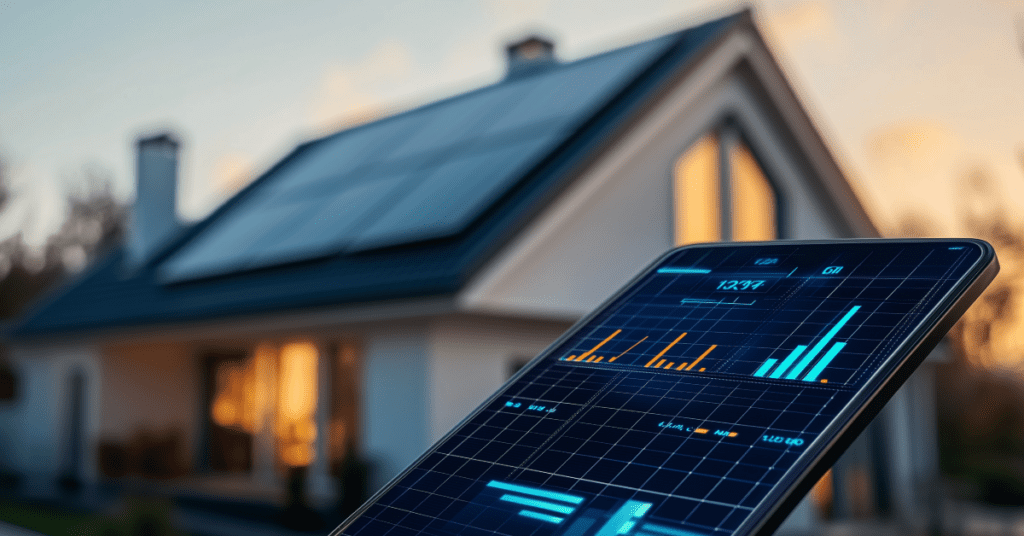
It also helps homeowners make smarter decisions about potential upgrades like solar panels, battery storage, or smart electrical panels.
Preparing for the Next Decade of Energy Costs
No homeowner can control utility rates directly. Electricity prices will always be influenced by infrastructure investment, policy decisions, and regional demand.
What homeowners can control is how efficiently their homes use electricity and how well they understand their own energy consumption.
Some households begin by upgrading insulation or appliances. Others explore solar energy or battery storage. Increasingly, homeowners start by evaluating their entire energy profile to understand where improvements would make the most impact.
That process often begins with a simple energy assessment.
A Practical First Step for Minnesota Homeowners
If you are wondering how rising electricity prices could affect your household over time, an energy assessment can provide valuable insight.
During an assessment, specialists identify opportunities for efficiency improvements, and help homeowners understand which technologies might provide the greatest benefit.
From there, homeowners can decide whether energy management systems, solar generation, or other upgrades make sense for their goals.
You can learn more about Minnesota solar and energy solutions here.
Understanding how energy is used inside your home today can make it much easier to prepare for the electricity costs of tomorrow. A
nd if you would like to explore what an energy assessment might reveal about your own home, take this opportunity to schedule one!