
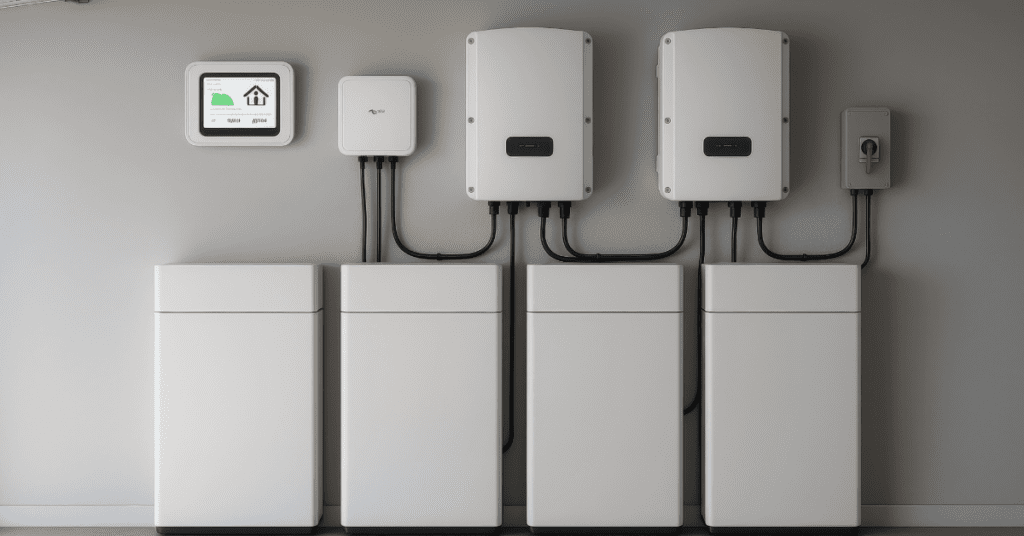
Most homeowners think about batteries only when the power goes out. That used to be the primary reason to install one. Today, that is only part of the story.
Home battery systems are becoming a tool for managing energy costs, improving efficiency, and giving homeowners more control over how electricity is used. In Minnesota, where energy pricing and demand continue to evolve, that level of control is becoming more valuable.
Instead of reacting to energy bills, homeowners can begin shaping how and when electricity is used in their home. When used correctly a battery is a critical element of your home energy management system and helps you use the lowest cost energy from the cleanest available energy source at all times.
How Battery Systems Fit Into a Modern Home
A home battery stores electricity so it can be used later. That sounds simple, but the way it is used has changed significantly.
In a traditional setup, electricity flows from the grid into the home as needed. With a battery in place, energy can be stored when it is less expensive and used when rates are highest to ensure you are always getting the lowest cost for energy.
This allows homeowners to shift when they rely on grid electricity instead of consuming it at whatever rate is available at the moment.
Batteries can be used with and without other cost saving tools like solar or smart panels to create a fully functioning home energy management system.
Using Batteries to Lower Energy Costs
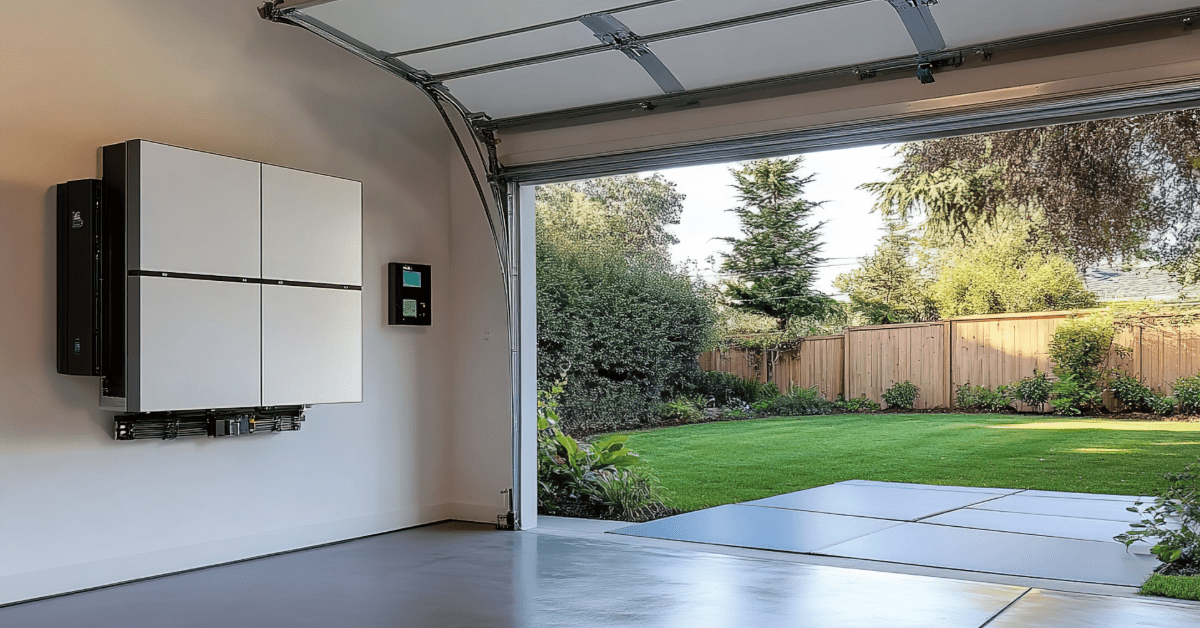
One of the biggest advantages of battery systems is the ability to manage when electricity is used.
As utilities introduce pricing models that vary throughout the day, timing becomes just as important as total usage. Batteries allow homeowners to store energy during lower cost periods and use it when electricity prices are higher.
This approach reduces exposure to peak pricing and creates a more predictable energy cost over time.
In Minnesota, where pricing structures are beginning to reflect demand more directly, this kind of flexibility can make a noticeable difference in monthly energy expenses.
How Batteries Work With and Without Solar
Batteries are often associated with solar, but they do not require solar to provide value.
When paired with solar panels, batteries store excess energy generated during the day so it can be used later. This reduces the need to pull electricity from the grid during higher cost periods and allows you to optimize the energy your solar panels produce.
Without solar, batteries can still charge from the grid during lower cost hours and discharge when electricity is more expensive. This allows homeowners to take advantage of pricing differences without generating their own power.
Powerfully Green Solar explains how these systems connect in its home energy management systems page, where solar, storage, and usage are all part of a coordinated system.
Batteries as Part of a Home Energy Management System
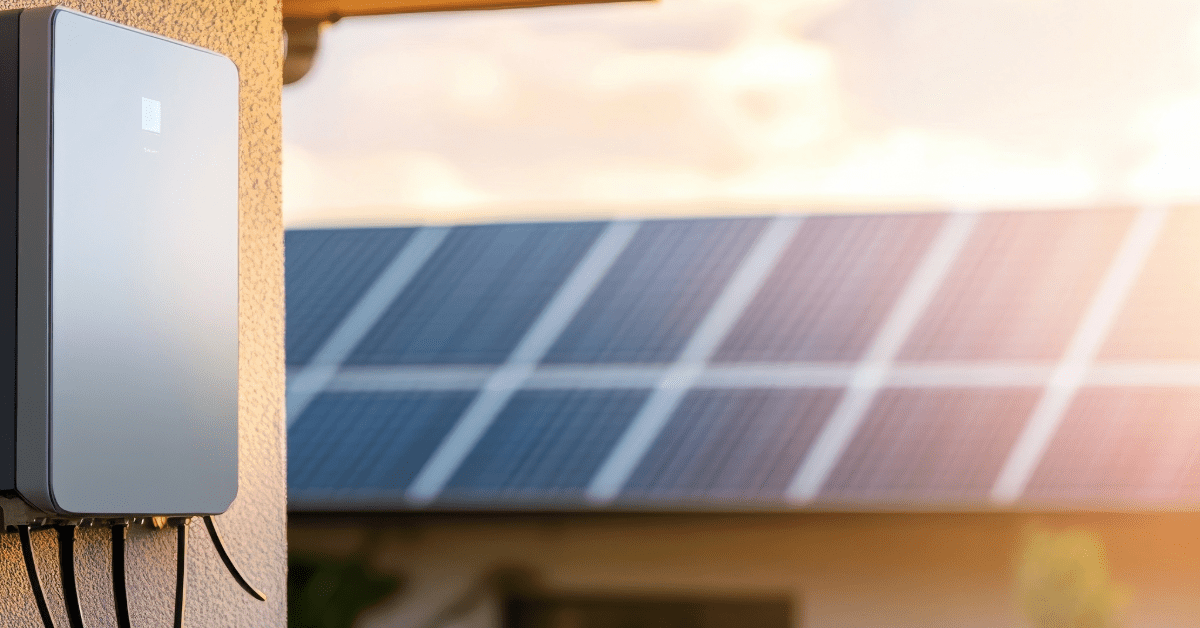
The real value of battery systems comes from how they work within a larger energy strategy.
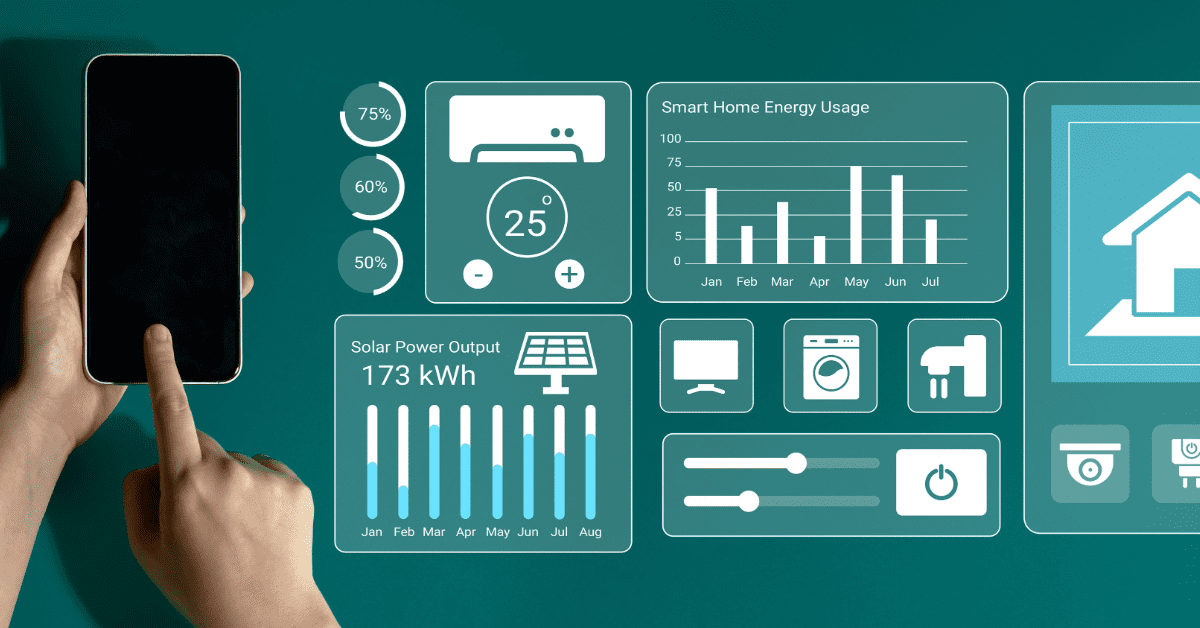
A home energy management system brings together solar production, battery storage, and household energy usage. It provides visibility into how electricity flows through the home and allows adjustments based on real time conditions.
Instead of guessing when to use electricity, the system can help optimize usage automatically. Energy can be stored when it is available or less expensive and used when it provides the most benefit.
This creates a more efficient and intentional way to manage energy.
Adding Energy Security and Flexibility
While cost control is a major benefit, batteries also provide a layer of energy security.
If the grid goes down, stored energy can still power key parts of the home. The difference is that backup power becomes a secondary benefit rather than the primary reason for installation.
This dual role gives homeowners both flexibility in daily energy use and reassurance during unexpected disruptions.
A Smarter Way to Use Energy at Home
Battery systems are changing how homeowners think about electricity. Instead of being tied to a fixed pricing structure, energy can be stored, shifted, and used more strategically.
For Minnesota homeowners, this creates an opportunity to reduce costs, improve efficiency, and gain more control over how energy is used throughout the day.
If you want to explore how battery systems could work in your home, Powerfully Green Solar offers personalized evaluations through our free energy assessment form. You can also review the Minnesota solar FAQ section to see how solar, and home energy management systems come together in a complete energy plan.