
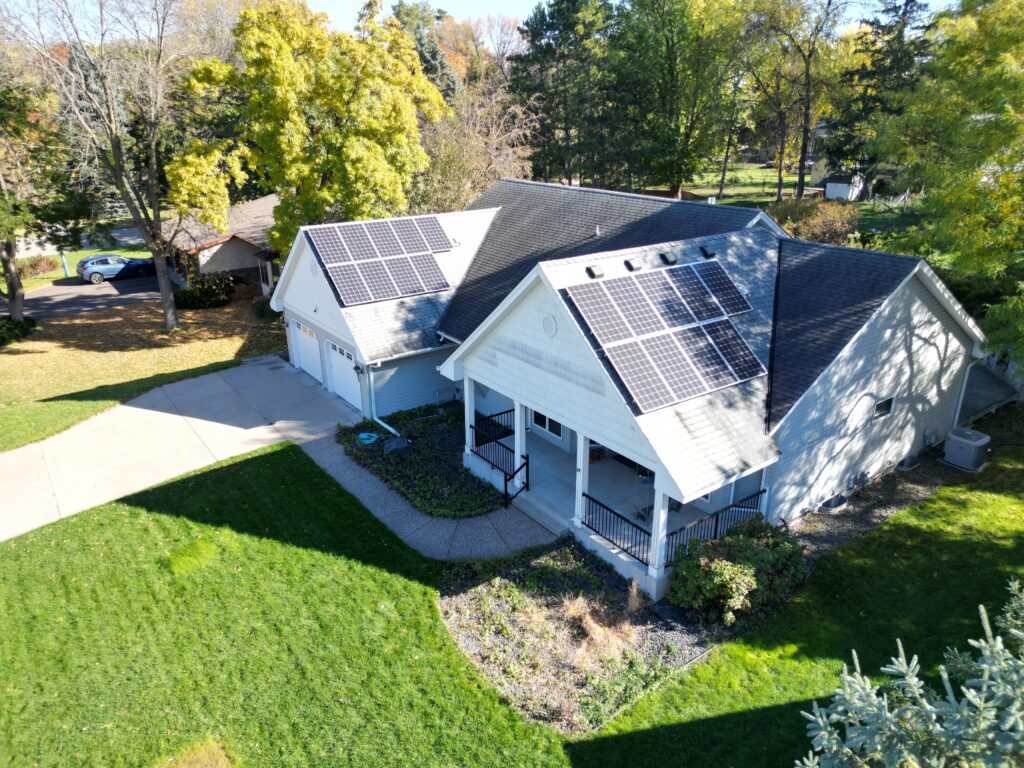
There’s a version of the solar conversation that a lot of Minneapolis homeowners have learned to dread. A sales rep shows up, runs through a presentation, throws out a big number, and spends the next hour explaining why you need to sign before the incentives disappear. It feels less like advice and more like pressure.
That experience has made some homeowners skeptical of solar in general, which is unfortunate, because the underlying case for solar in Minnesota is actually strong. The problem isn’t solar, it is the way it gets sold, which tends to lead with the product instead of the home.
Starting energy first means flipping that around. It means understanding your home’s energy situation before deciding what to install, in what order, and how much of it you actually need. Solar often ends up being a significant part of that plan. But it earns its place in the plan rather than being assumed from the start.
Why Solar Makes Sense in Minnesota
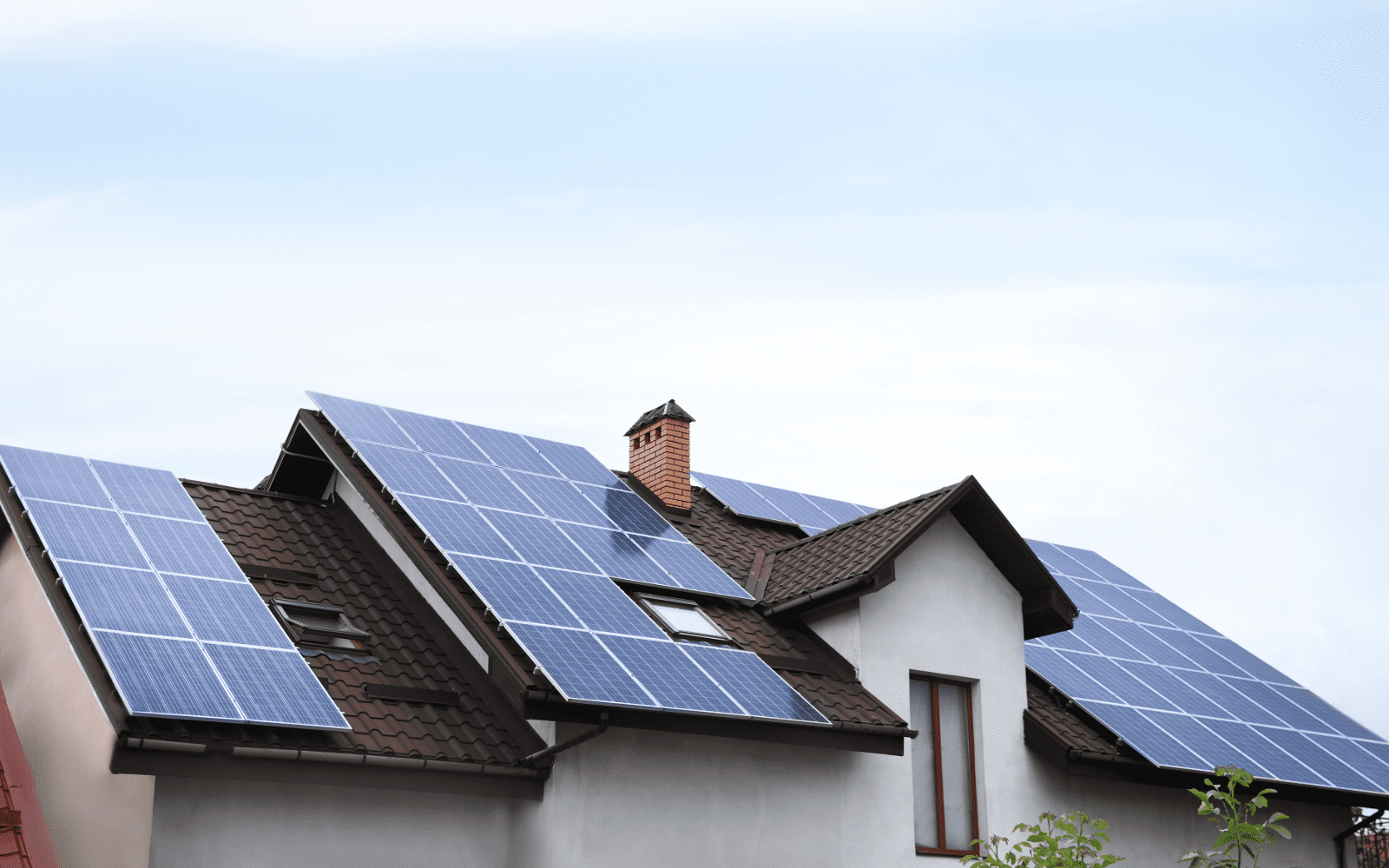
Let’s be direct about this: solar works in Minnesota. It works in January. It works in Wayzata and Edina and Woodbury and everywhere else in the Twin Cities metro where winters are long and rate increases from local utility grids keep showing up on your monthly bills.
The misconception that Minnesota doesn’t get enough sun for solar to be worthwhile comes from comparing us to states like California or Arizona, which isn’t a useful comparison. Minnesota receives enough annual solar irradiance to make residential solar a great investment. Our state’s strong net metering policy means excess production earns real bill credits. The Xcel Solar Rewards program and other local utility incentives can reduce the cost of installation meaningfully. And as utility rates continue to climb, the value of generating your own electricity increases alongside them.
The question was never really whether solar works here. The question is whether it’s the right fit for a specific home, given their specific set of goals. That’s a different and more useful question, and it’s one that deserves a real answer rather than a sales pitch.
What “Energy First” Actually Means
Starting with energy means starting with your home’s current situation before talking about any specific product or system.
How much electricity does your household use, and when? What’s driving the highest cost on your utility bill? Is your home reasonably efficient, or are there losses in the envelope or mechanical systems that should be addressed before adding generation capacity? What are your goals; lower bills, backup power, energy independence, EV charging, or likely some combination?
These questions have specific answers, and the answers shape what a smart energy plan for your home actually looks like. For some Minnesota households the right first step is solar paired with battery storage because the usage pattern, the roof orientation, and the financial benefits all line up cleanly. For others, an electrical panel upgrade or some insulation work makes more sense before adding panels. For many, solar is the right call right now and the assessment confirms it quickly.
The point isn’t to slow things down or add unnecessary steps. It’s to make sure the investment performs the way you expect it to, because a solar system that was designed around an incomplete picture tends to underperform and disappoint.

How Solar Fits Into a Broader Energy Plan
When solar is part of a thoughtful energy plan rather than a standalone purchase, a few things change.
System sizing gets more accurate. A household that’s planning to add an EV in the next two years, or that’s considering switching from gas heat to a heat pump, has a different future electricity load than its current bills suggest. A solar system sized only for current usage may be incorrectly sized for future needs. Starting with the full energy picture means the system gets designed for where the home is going, not just where it is today.
The interaction between systems must be accounted for as well. Solar panels produce power during the day. If nobody is home and the home doesn’t have a battery, most of that production gets exported to the grid generating net metering credits rather than being used directly. That’s still financially useful, but a battery changes the equation by storing daytime production for evening use when rates are higher. And, a smart panel adds another layer by managing which circuits draw from the battery and when. These systems work better together than they do in isolation, and the order and combination in which they’re installed affects the outcome.
The financial return becomes more predictable when the system design is based on your actual usage data, realistic solar production estimates and a clear understanding of available incentives. The projected payback is more reliable than a number generated from a generic calculator on a solar company’s website.
What to Expect From a Real Energy Conversation
A conversation that’s actually focused on your home rather than on closing a sale will start by asking questions, not by presenting a system size and price.
What appliances and systems are in the home? What’s the age and condition of the roof? Are you on a standard rate plan or a time-of-use plan? Are there any planned changes to the home or your energy use in the next few years? What matters most to you; maximum savings, backup power, grid independence, or all of the above? What have your energy costs been for last 12 months?
Those questions lead to a plan. The plan leads to a recommendation. The recommendation might be a full solar plus storage system. It might be solar now with a battery added in two years. It might be an electrical upgrade first. But whatever it is, it’s grounded in the actual home rather than a standard pitch.
That’s the difference between being sold solar and deciding that solar is the right move for your home. For most homeowners in the Minneapolis–St. Paul area who have reasonable roof conditions and electric bills over $150 a month, solar does end up being part of the plan. It’s just a better experience when you arrive at that conclusion through your own understanding rather than through a sales process designed to get there as quickly as possible.
Where to Start If You’re Thinking About Solar
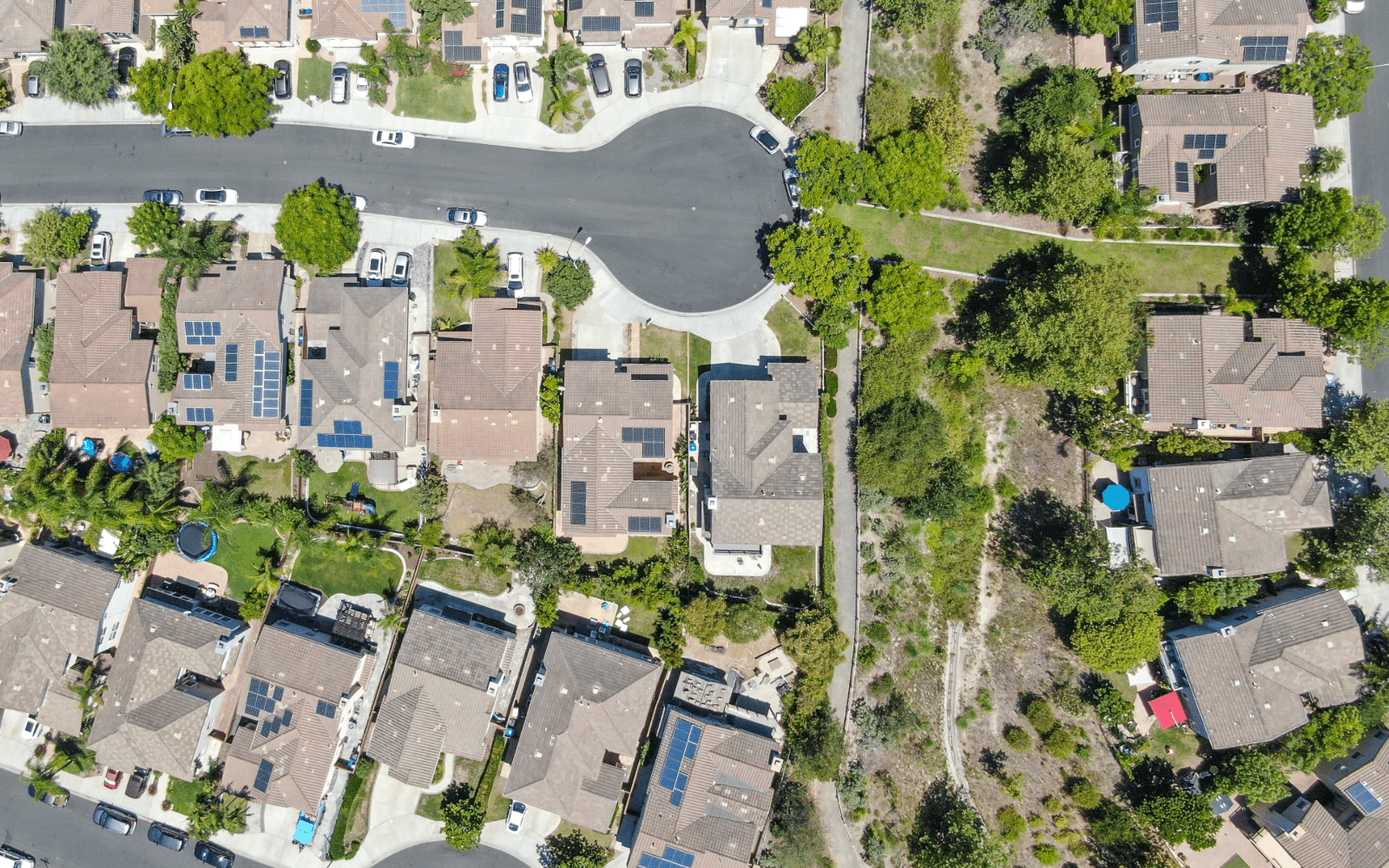
The residential solar page is a good place to understand more about solar and if it is the right fit for you. The how solar works page covers the fundamentals if you’re earlier in the research process. And the installation process page walks through what working with Powerfully Green Solar actually looks like from first call to system activation.
If you’re ready to have a real conversation about your home specifically, the most useful starting point is a free energy assessment. It looks at your actual situation before making any recommendation, and it costs nothing to have that conversation.
Powerfully Green Solar helps homeowners across the Minneapolis–St. Paul area, including Wayzata, Edina, and Woodbury, take control of their energy use through smarter systems, not just solar alone. If you want to understand what solar could actually do for your home before anyone tries to sell you anything, schedule a free energy assessment and start there.