When a neighbor needs a helping hand, Minnesotans have a way of showing up. Whether it’s clearing a driveway after a snowstorm, gathering around a local fundraiser, or coming together to support a community in need, Minnesota has built a reputation for looking out for one another.
This was highlighted on a global scale this year as the world watched hundreds of thousands of Minnesotans take to the streets to support their neighbors against an increase in ICE activity in local communities.
In a time of fear, Minnesotans gathered their community and pushed back. This level of community is one of the things that makes our great state so beautiful. There are many leaders throughout Minnesota who care enough to rally their communities and create change where it counts. Mark Trumper and Susan Tuck are two of those people.
Together, they helped build a local Minneapolis nonprofit that has spent more than a decade giving children the confidence to explore their communities from the seat of a bicycle.
What Is Pedal Power?
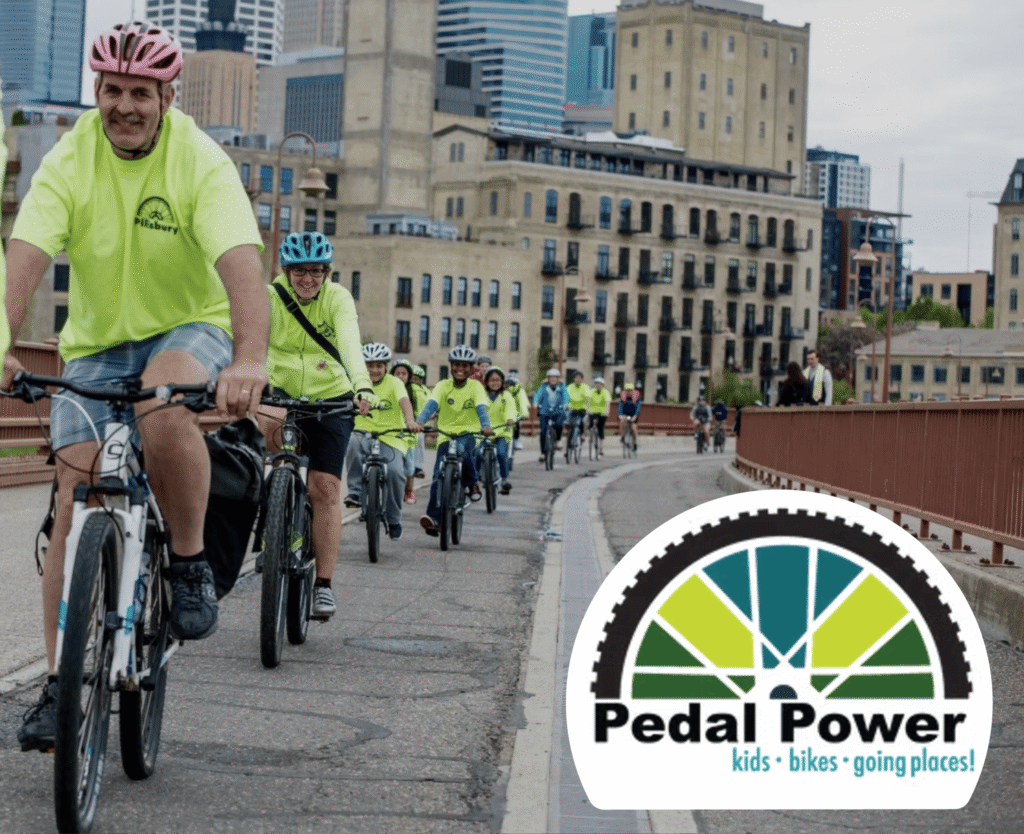
Pedal Power is a local nonprofit dedicated to educating and empowering children by teaching them how to ride bikes and take active learning adventures throughout their communities.
The idea began in 2012 when Mark and Susan, both local Minneapolis elementary school educators, noticed something surprising: many of their students did not know how to ride a bike. Some were afraid to try, while others had simply never had the opportunity to learn.
To Mark and Susan this was a positive change they wanted to make. For them, riding a bike represented much more than recreation. It was freedom, community, confidence, and a new way for kids to experience the world around them.
What started as a single after school program in 2012, inspired by the local Loppett Foundation, eventually grew into something much larger. Mark and Susan got funding to buy around 14 bikes, today that number has grown to 250 bikes across six different schools, including bikes for special needs students, so no kid is left behind in this experience. By 2017, Pedal Power had become an official nonprofit and moved to a scheduled class for students instead of just being an after school program. This allowed the organization to continue expanding its work within the Minneapolis school system!
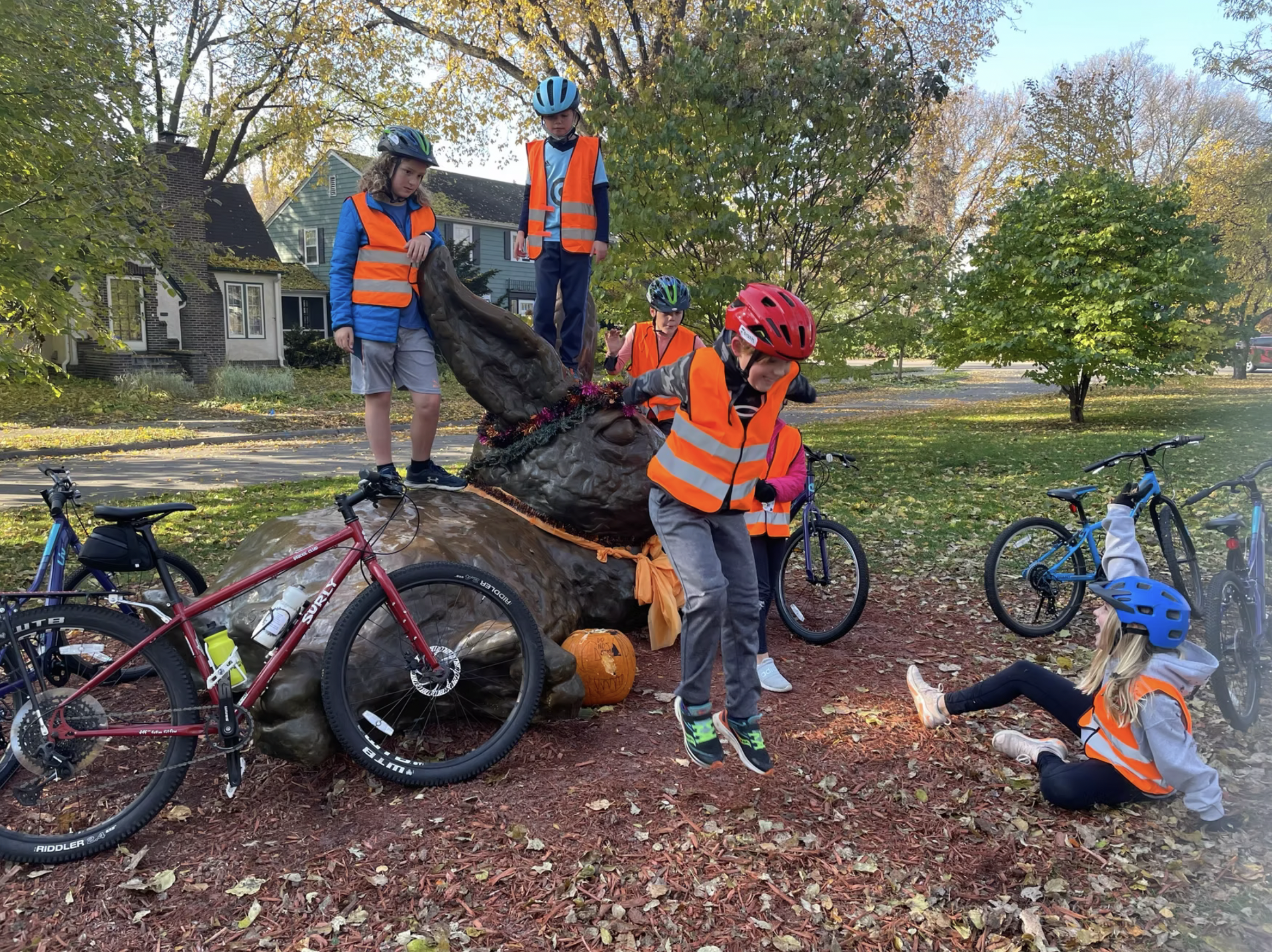
Today, Mark and Susan have successfully retired from teaching but still stay involved in Pedal Power, traveling to various schools throughout the year to teach students how to ride bikes. Pedal Power primarily works with fourth and fifth graders, bringing bikes, volunteers, and encouragement directly to students. The program, and its various volunteers, returns to classes over multiple weeks, giving children time to build their skills and confidence.
In the beginning of pedal power, when Mark and Susan were still teaching, they encouraged many parents to also participate and learn to ride bikes because they too never had the opportunity to learn when growing up. Having parents learn alongside their kids was an empowering experience for everyone. Mark and Susan believe biking, especially while living in a city, is an essential skill for easy transportation, and no matter what age you are it’s never too late to learn!
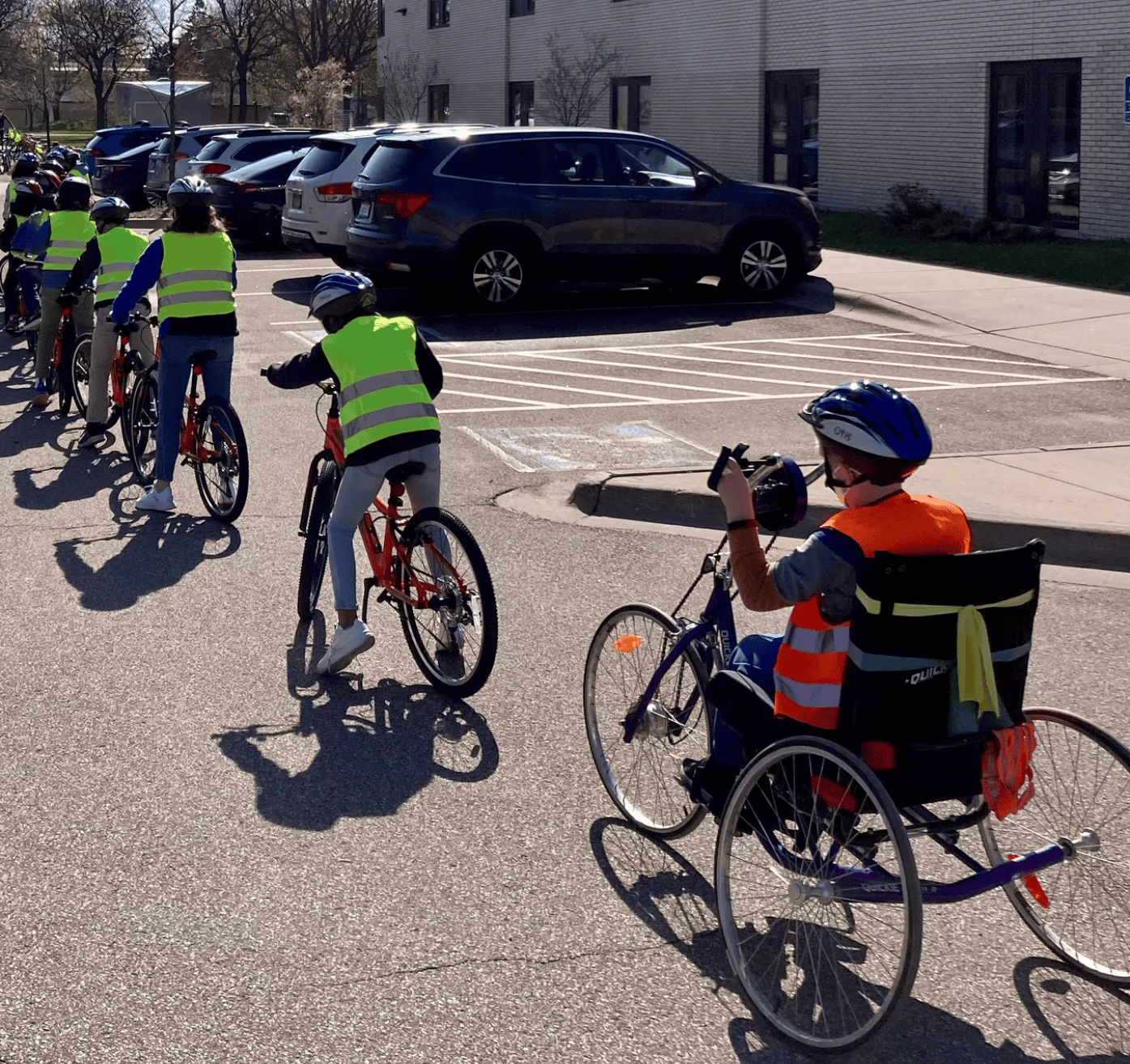
Pedal Power also actively works with children of different abilities and provides options during classes to include them. This involves tandem bikes that are paired with one of the volunteers and even hand cycles for wheelchair users, so that no student is left behind in this experience! The goal is simple: make sure everyone has the opportunity to learn while gaining the freedom of movement and the chance to accomplish something new as a group.
More Than Learning to Ride a Bike
Teaching a student to ride a bike sounds simple enough, but the lessons that come from Pedal Power extend far beyond balancing on two wheels. One of Mark’s biggest beliefs is that learning how to do hard things requires actually doing hard things.
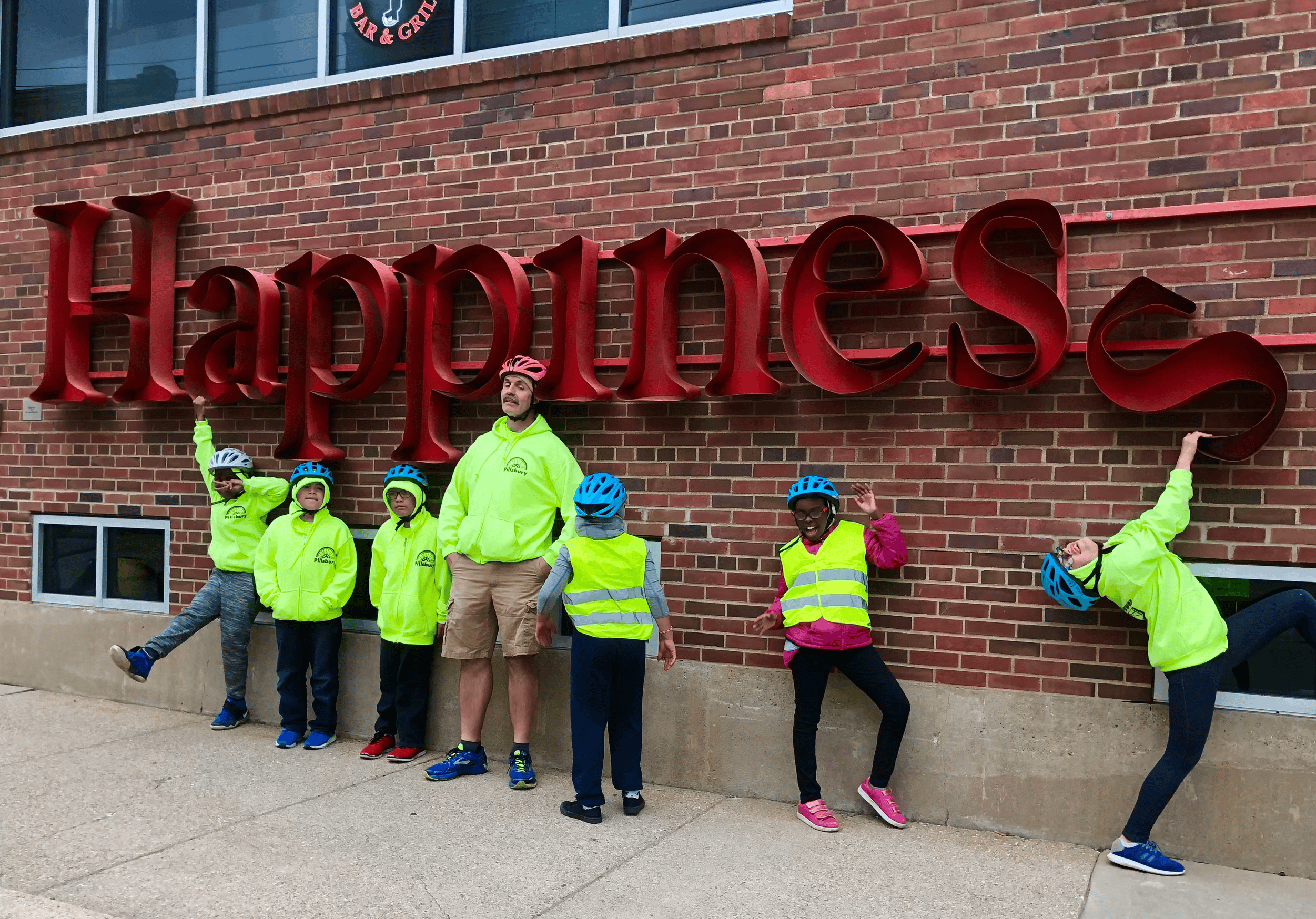
Some children arrive at Pedal Power already confident in the classroom but find themselves struggling to learn how to bike. Others are afraid of falling. Some have tried before and given up, Pedal Power encourages them to keep going.
“This is a life skill just like reading,” Mark explained. The expectation is that students will learn how to ride a bike no matter what because Pedal Power is a designated class in their day, just like reading and math. If a student hates learning how to ride a bike, they don’t ever have to again once the class is over, but they will always walk away knowing how so that they can leave knowing they were capable of doing something that once felt impossible.This lesson has the potential to follow them far beyond the program.
Learning to ride teaches independence. It teaches resilience. It teaches community. It teaches children to become more comfortable with their surroundings and gives them the confidence to explore beyond the places they already know.
The group rides also teach students how to look out for one another, this helps bring them closer together as a class. Kids learn to ride together and support classmates who may be struggling. As one student gains confidence, others see what is possible and celebrate there accomplishments. In this way Pedal Power begins building community before the kids are even old enough to fully understand what community means.
Seeing Students in a Different Light
The impact of Pedal Power also reaches the teachers who participate. Mark intentionally brings classroom teachers into the experience because seeing a student outside of a traditional classroom can change the way an educator understands them.
For example a student who struggles to sit still or follow directions in the classroom may become a leader during a group bike ride. They may be the first to notice a problem with someone’s bike, help another student, or confidently call out instructions to keep the group safe.
Suddenly, the student a teacher may have viewed as a “problem child” is showing leadership skills that were not as visible inside the classroom. This is an important part of the program for both Mark and Susan. Pedal Power gives children the opportunity to shine in a different environment, and gives teachers the opportunity to see them differently too.
Building Community, One Ride at a Time
Community is not something that happens automatically. It is built through relationships, shared experiences, and people choosing to show up for one another. Pedal Power has created those connections at nearly every level.
There are the students encouraging each other through the difficult process of learning to ride. There are teachers discovering new strengths in their students. There are parents and retired volunteers who give their time to help keep the program moving. And then there are the relationships built throughout the neighborhoods Pedal Power travels through.
Mark describes how biking naturally creates connections. You begin recognizing familiar faces. Local businesses get to know you. Children become more familiar with the streets and parks around them.The rides themselves become an adventure.
Classes regularly explore beyond the school grounds, riding to parks and experiencing parts of their communities they may not otherwise visit. Along the way, students learn how to navigate their surroundings and become more comfortable in the world around them.
Over time, Pedal Power has become recognizable throughout the community. Mark has even spotted locals wearing Pedal Power shirts years after volunteering! These instances are a reminder that the impact of a single experience can last much longer than the ride itself.
Mark’s Solar Journey
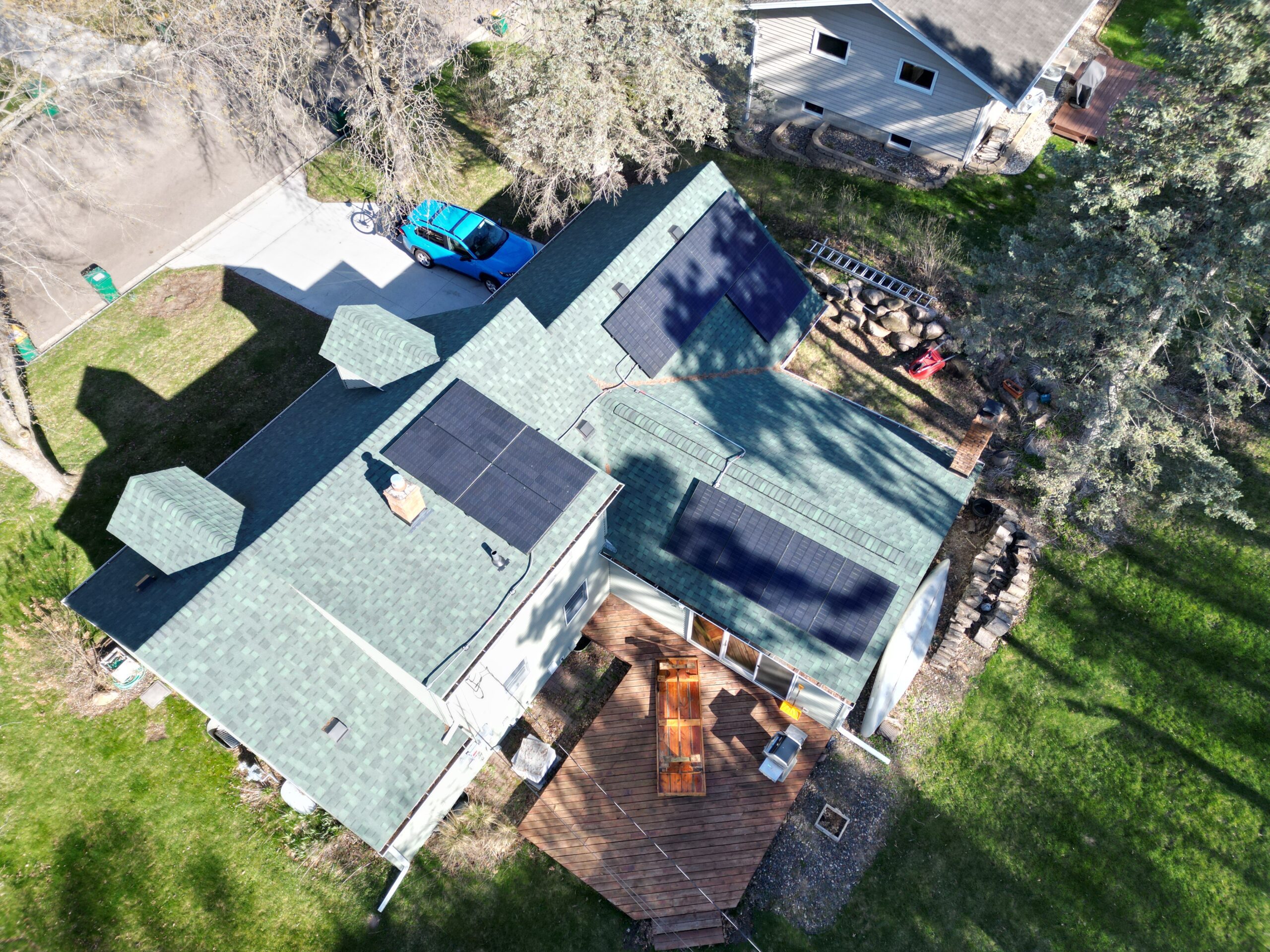
Mark’s commitment to the community doesn’t stop when the bikes are put away. As someone who has spent years thinking about the future of his community and the people around him, Mark had also been considering what role he could play in creating a better future for him and his growing family.
Before installing solar panels on his home, Mark participated in a community solar garden. Eventually, however, he decided he wanted to take the next step towards energy independence. Part of the decision was environmental, but Mark also liked the idea of owning his own energy.
For him, the investment wasn’t simply about cutting monthly costs and calculating a payback period, It was about participating in a change he believed needed to happen and making a long term decision for his future. “I really liked the idea of just owning my energy” Mark explained.
Like many homeowners considering solar, Mark didn’t want to become an expert on every technical detail before making a decision. Instead, he relied on something that had guided much of his life: community and trust. A close friend from Pedal Power, Susan’s husband Raymond, recommended Powerfully Green Solar. To Mark this was more valuable than any google search. Mark knew Raymond had experience with solar and trusted his advice. From there, he needed a company he could rely on to guide him through the process and complete his project properly.
That sense of trust, one person recommending another based on experience, is another example of how community connections can lead to so many meaningful decisions!
A New Kind of Community
Solar has also become something Mark and his family notice all the time during the same activity that helped inspire Pedal Power in the first place: biking in their local community.
Mark’s grandkids are just beginning to bike themselves and he has noticed that when he’s on car rides, walks, or bike rides with his grandsons they see solar panels on homes throughout the community and get excited!
His grandson has even begun pointing them out as they travel, “Grandpa, can I see the solar panels?” he asks. For Mark, this is an exciting connection point between him and his community even if he doesn’t know these people personally, he knows they have a similarity that extends beyond solar. This evokes a feeling of being a part of something bigger than just yourself for him and his family.
Solar has become more visible to a new generation. What once felt uncommon is increasingly becoming part of everyday life! His kids have started thinking about solar for their own homes, and his grandson already recognizes the panels as something worth looking for.
In many ways, that visibility represents another growing community. Homeowners are making individual decisions about how they power their homes, but together those decisions contribute to a larger movement toward greater environmental awareness, cost savings and energy independence.
Creating Community Wherever You Go
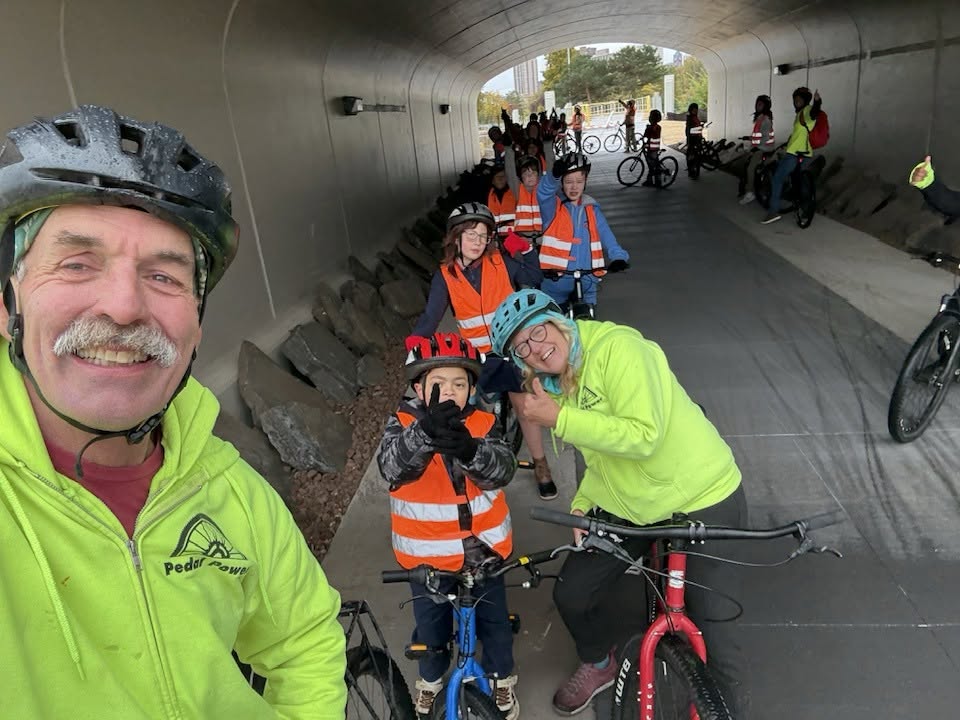
Pedal Power teaches children that they can learn difficult things and eventually move through the world with greater confidence and freedom. Solar gives homeowners another opportunity to take greater ownership over an important part of their daily lives: their energy.
Both also have the power to create community. Pedal Power began with a few people recognizing a need and choosing to do something about it. Over time, it grew into a network of students, teachers, parents, volunteers, and neighbors working together to enact change!
Mark’s solar journey followed a similar path. A friend shared a recommendation, that trust created a connection. And one homeowner’s decision became part of a larger movement that is becoming increasingly visible throughout the community.
For Mark, neither journey is only about the individual. Whether it is helping a student discover they can ride a bike, encouraging a neighbor to consider a new way of powering their home, or simply showing up when a community needs support, the underlying idea is the same:
Real change often begins when people decide to get involved.
Pedal Power has spent years teaching children that they are capable of more than they may think. Mark’s own journey with solar reflects that same belief in looking forward, embracing change, and considering the impact our choices can have on the people who come after us.
If you are interested in becoming a Pedal Power volunteer or would like to donate to support this cause Click the links below to become a part of their journey!