When homeowners think about going solar, much of the focus tends to be on the panels themselves. While panel quality does matter, the performance of a solar system depends just as much on how it is designed and installed.
A well designed system can produce consistent energy for years. A poorly installed system can underperform, require maintenance, or create unnecessary complications down the road.
Understanding what separates a quality installation from an average one helps homeowners make better decisions before moving forward.
Why Installation Quality Matters More Than People Expect
Solar systems are smart, long term investments that allow you to benefit from added energy independence that the average homeowner doesn’t get. Once installed, they are expected to perform reliably across changing seasons, weather conditions, and household energy needs.
In Minnesota, those conditions include unpredictable weather, temperature swings, and varying daylight hours. A properly installed system accounts for these factors from the beginning.
That includes panel placement, roof angle, structural considerations, and how the system connects to the home’s electrical setup.
System Design Is Where Performance Begins
A quality installation starts before any equipment is placed on the roof. It begins with system design.
Every home has a unique energy profile. Factors like roof orientation, shading, electricity usage, and future energy needs all influence how a system should be configured.
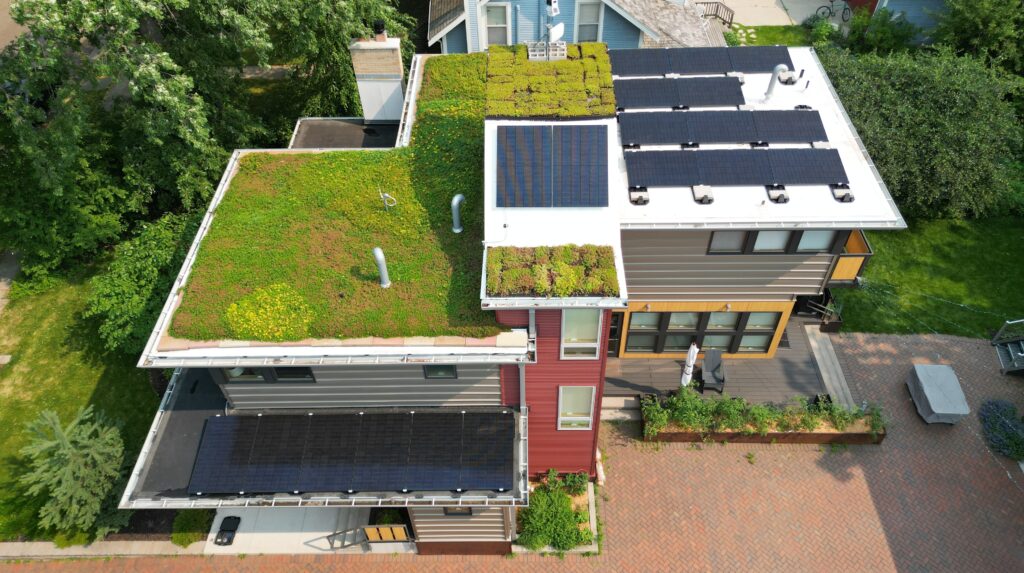
Instead of applying a standard layout, a well designed system is tailored to the home by experienced professionals. This ensures that your panels are positioned to capture the most sunlight as well as being capable of integrating with various energy loads at any given time. Appearance is also an important consideration for all homeowners.
Powerfully Green Solar walks through the solar installation process specifically, which involves site visits, permitting and even what to expect for monitoring after your system is installed on our solar installation process page.
The Role of Equipment and Integration
While installation quality is critical, the equipment used also plays an important role. Panels, inverters, and all electrical components need to work together as part of a complete system.
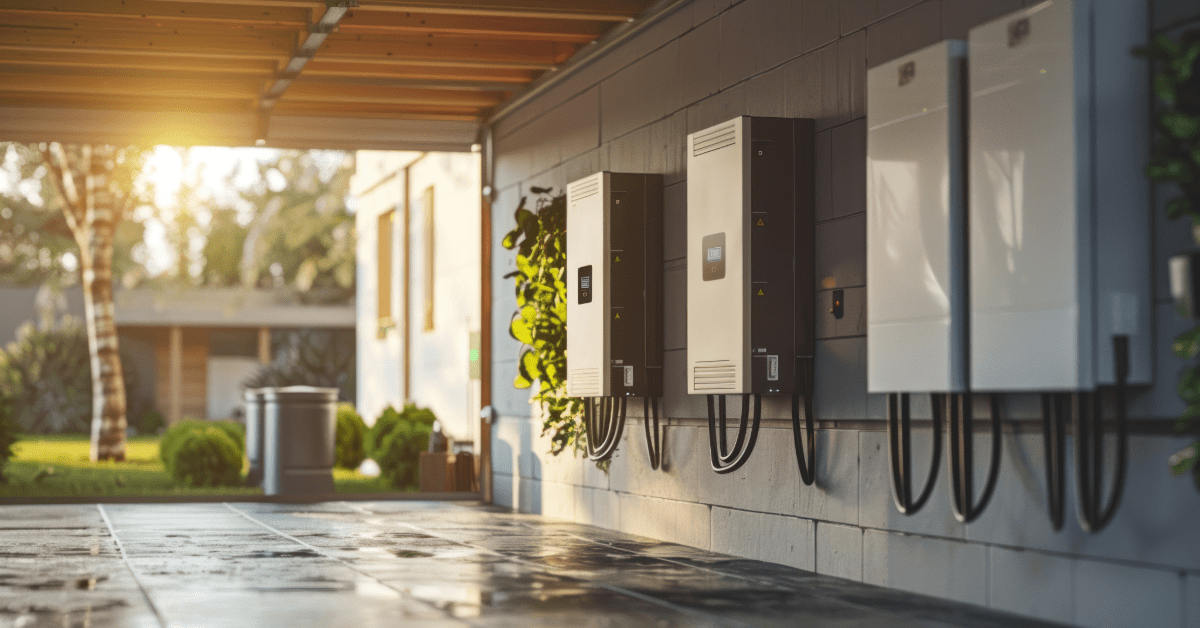
Integration is where many systems either succeed or fall short. A quality installation ensures that solar panels, batteries, and any additional components like smart panels or EV chargers operate together smoothly to create a reliable home energy management system.
When these systems are aligned, homeowners gain more energy independence from fluctuating markets as well as better visibility into energy usage and more control over how electricity is managed throughout their homes.
Attention to Detail During Installation
Installation is where planning becomes reality. Details matter at every step, from mounting hardware to wiring and system calibration.
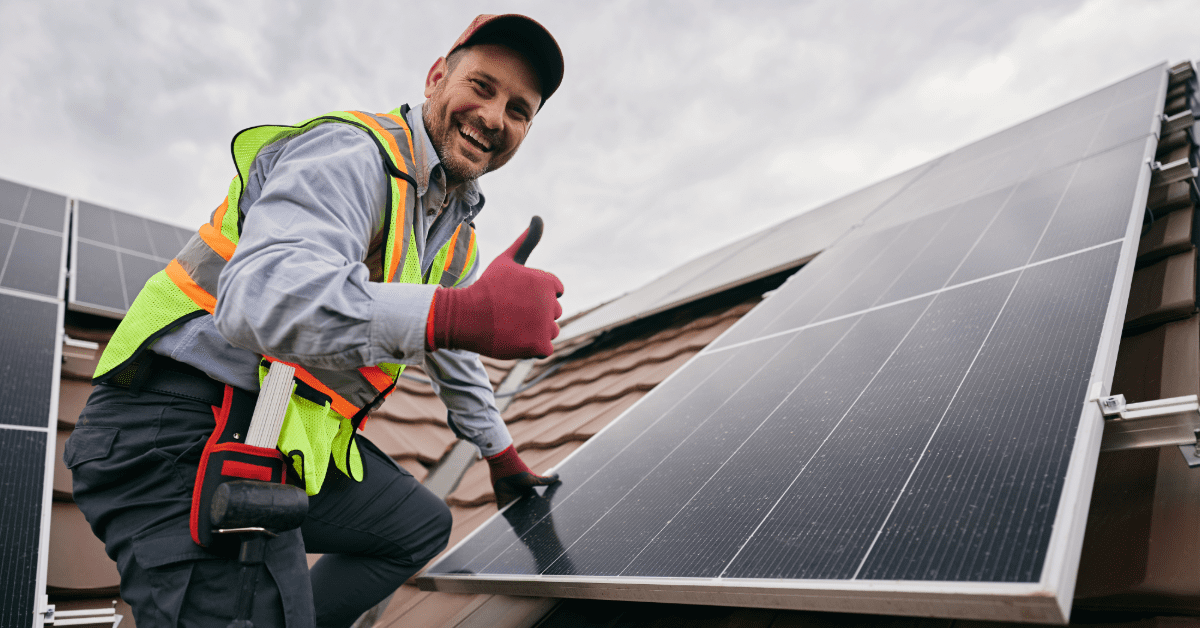
Proper sealing, secure mounting, and clean electrical work all contribute to a systems long term success. These details are especially important in Minnesota, where weather conditions can test the durability of a system over time.
A quality installation is not just about getting panels on the roof. It is about making sure the system performs consistently, and remains trouble free for years.
Choosing the Right Approach for Your Home
Solar and energy management is not a one-size-fits-all process. The right approach depends on your home, your energy usage, and your short & long term goals.
Powerfully Green Solar helps homeowners evaluate these factors and build systems that align with how energy is used today and how it may change in the future.
When you are ready to explore what an optimal system design looks like for your home, you can schedule an energy assessment or talk to a specialist to walk through your options today.