
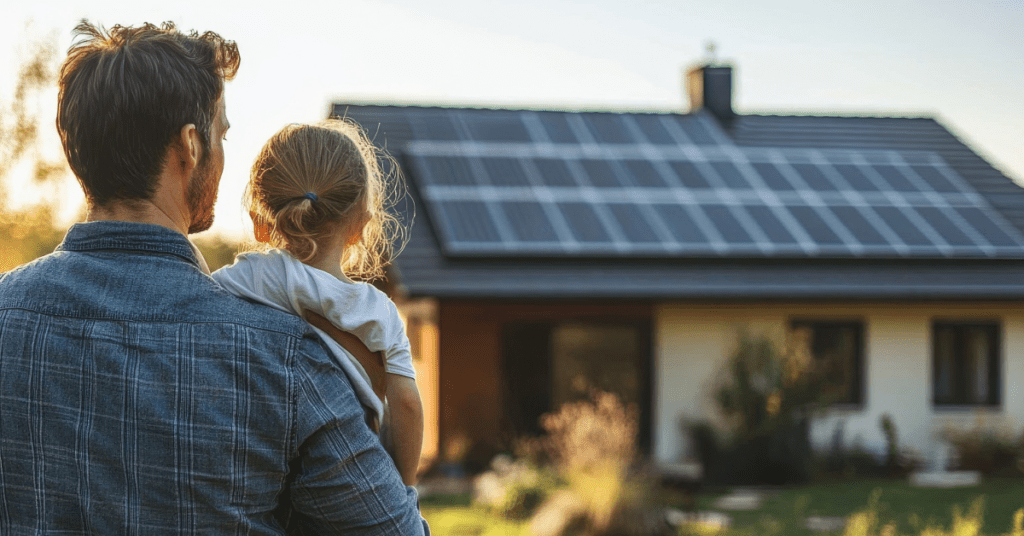
For most homeowners, energy has always been something that simply comes with your home and arrives from the grid. You flip a switch, power flows, and a bill shows up later. That model has worked for most homeowners for decades, but with the current energy climate ramping up it offers no cost savings opportunities and very little control of how you use your energy.
As electricity demand grows and pricing becomes more dynamic, homeowners are starting to rethink that relationship. Instead of relying entirely on the grid, they are looking for ways to take a more active role in how energy is produced and used.
Energy independence is not about disconnecting from the grid. It is about creating flexibility and reducing reliance on it when it matters most so you can protect your home while lowering your costs.
How These Systems Work Together
A modern energy system is customized to your needs and typically built from several components that work together to help you reach your personal energy goals. The most common components of an energy management system are solar panels, batteries, and smart panels.
Solar panels generate electricity during the day when sunlight is available. That energy can power your home directly or be sent elsewhere, like battery storage, depending on your needs.
A smart electrical panel can monitor how electricity is used across your entire home. It helps manage energy loads and gives you the ability to shed unnecessary loads so you can ensure that power is used where it is needed most with no waste.
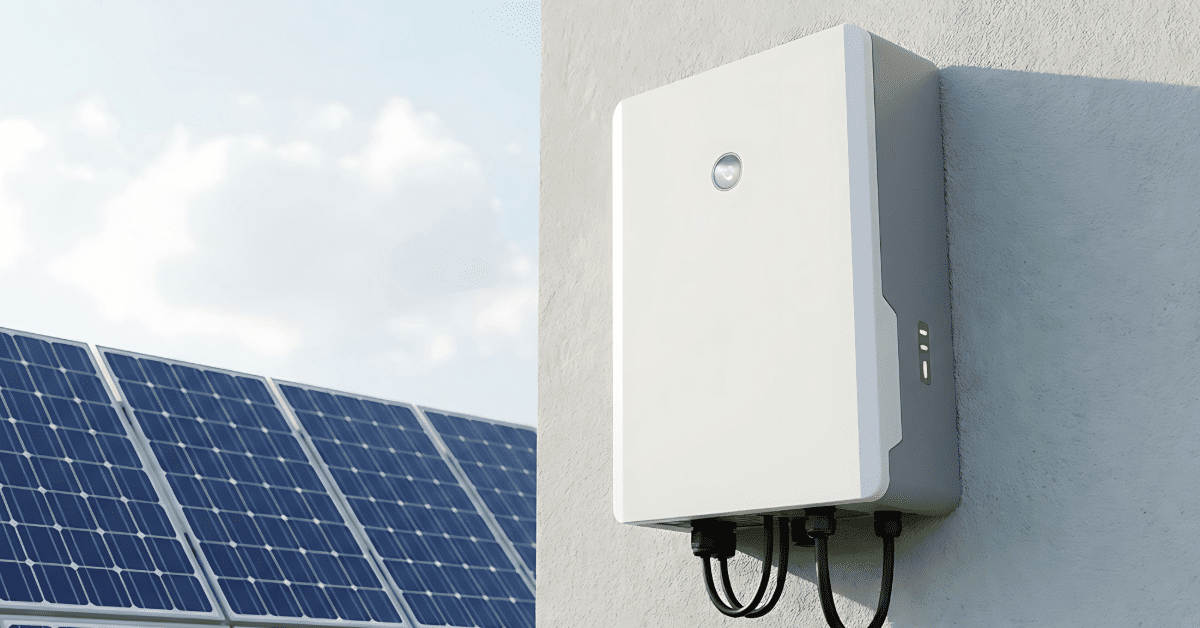
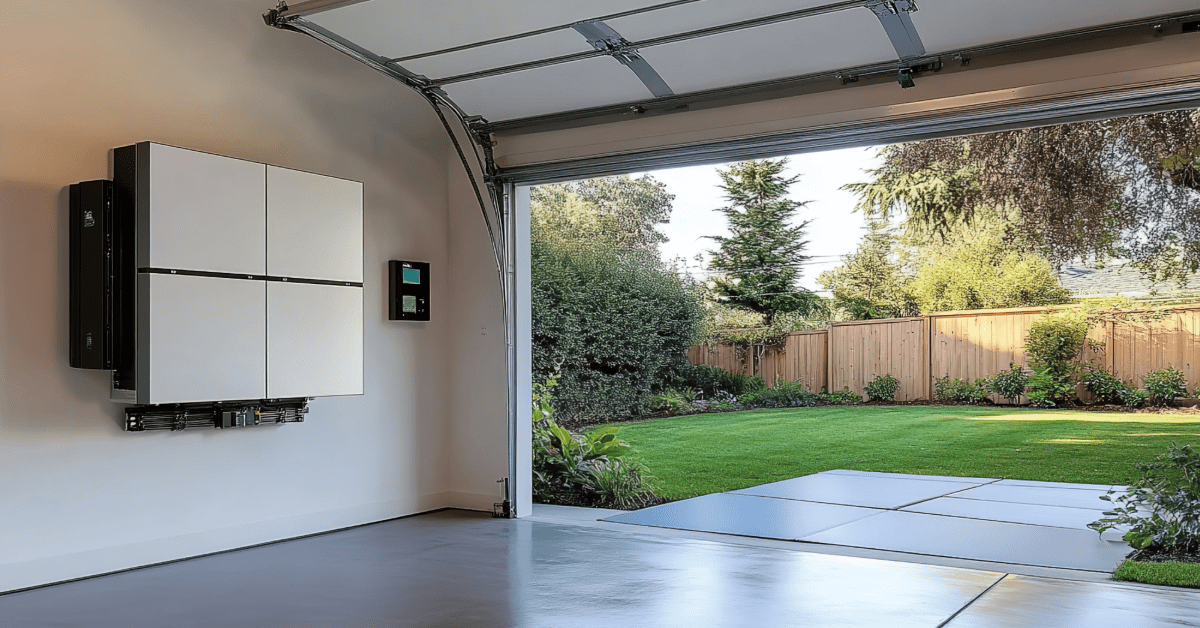
Battery storage is far more than just backup power. It stores excess solar energy you don’t use right away, so you can use it when you need it most. And even without solar, batteries can charge from the grid when electricity prices are lowest, so you’re always using energy at the lowest possible cost.
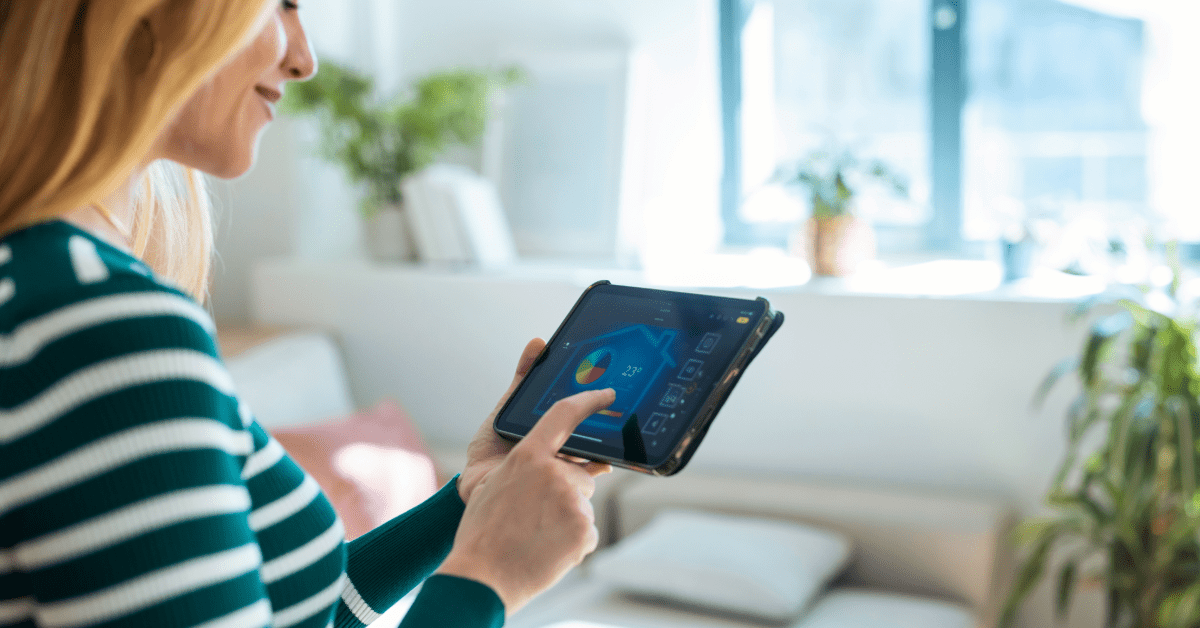
A home energy management system ties everything together by providing visibility and coordination. It allows homeowners to see how energy flows through the home and gives you the ability to make adjustments based on real usage patterns.
Why This Matters in Minnesota
Minnesota homes experience a wide range of energy demands throughout the year. Heating needs rise in colder months, while summer brings increased cooling and general electricity use.
At the same time, utilities are exploring time-of-use pricing models that change depending on when electricity is used. This makes timing just as important as total consumption.
A coordinated system of solar, batteries, and smart panels helps manage those variables. Instead of relying entirely on the grid during high demand periods, homeowners can use stored energy or adjust usage patterns.
Powerfully Green Solar explores these systems further on its home energy management systems page, where homeowners can see how these technologies interact in real world scenarios.
Shifting From Reactive to Intentional Energy Use
Most homes operate reactively. Electricity is used as needed, and the cost is reviewed later. That approach provides very little control over how or when energy is consumed.
Energy independence introduces a more intentional model. Energy that can be stored when it is at the lowest cost and used when it is most expensive. Appliances can be managed more strategically. Usage becomes something that can be shaped rather than simply tracked.
This shift creates a more stable, cost effective, and predictable energy experience over time.
Taking the First Step
Energy independence does not require a full system installed all at once. It begins with understanding how your home currently uses energy and where improvements can be made.
Powerfully Green Solar offers personalized evaluations through the energy assessment form, helping homeowners identify how solar, batteries, smart panels, and other cost saving technologies can work together to create an energy management system for your home.
You can also explore the Minnesota solar FAQ section to better understand how solar works for Minnesota homeowners and what to expect as you begin the process.