
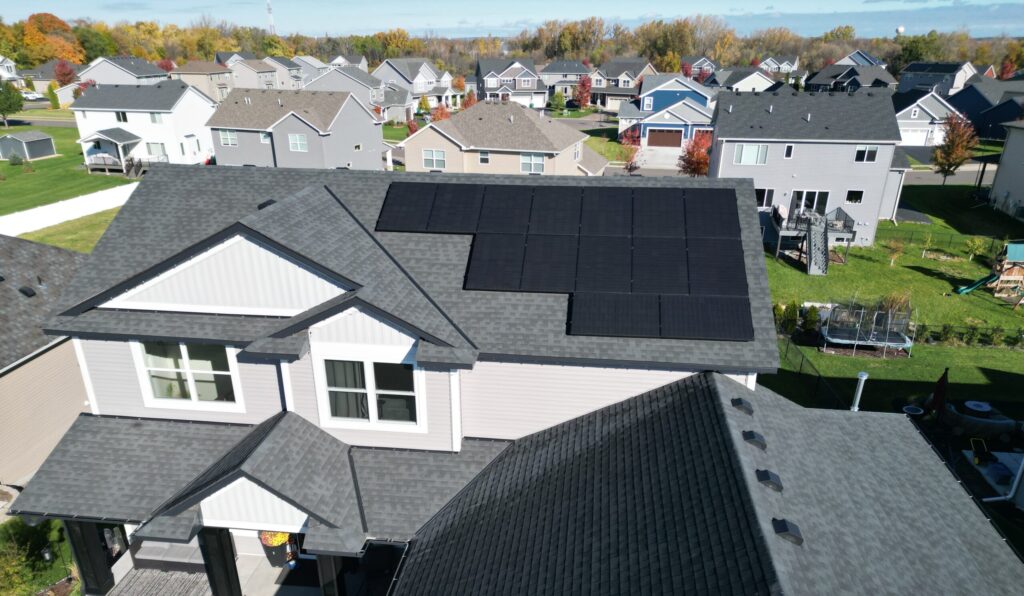
When homeowners consider installing solar panels, one of the first questions that comes up involves home value. People naturally want to know whether the investment will be reflected when the home is eventually sold.
This question often leads to a common myth. Some homeowners believe solar must fully recover its installation cost through resale value alone in order to make financial sense. That assumption oversimplifies how solar economics actually work.
In reality, solar value comes from several different sources. Reduced electricity bills, protection from rising utility rates, and improved property appeal all contribute to the financial picture.
It is also important to remember that utility payments are practically unavoidable and do not provide a return of any kind.
Understanding how these factors interact helps explain why solar installations continue to grow across Minnesota.
How Solar Can Influence Property Value
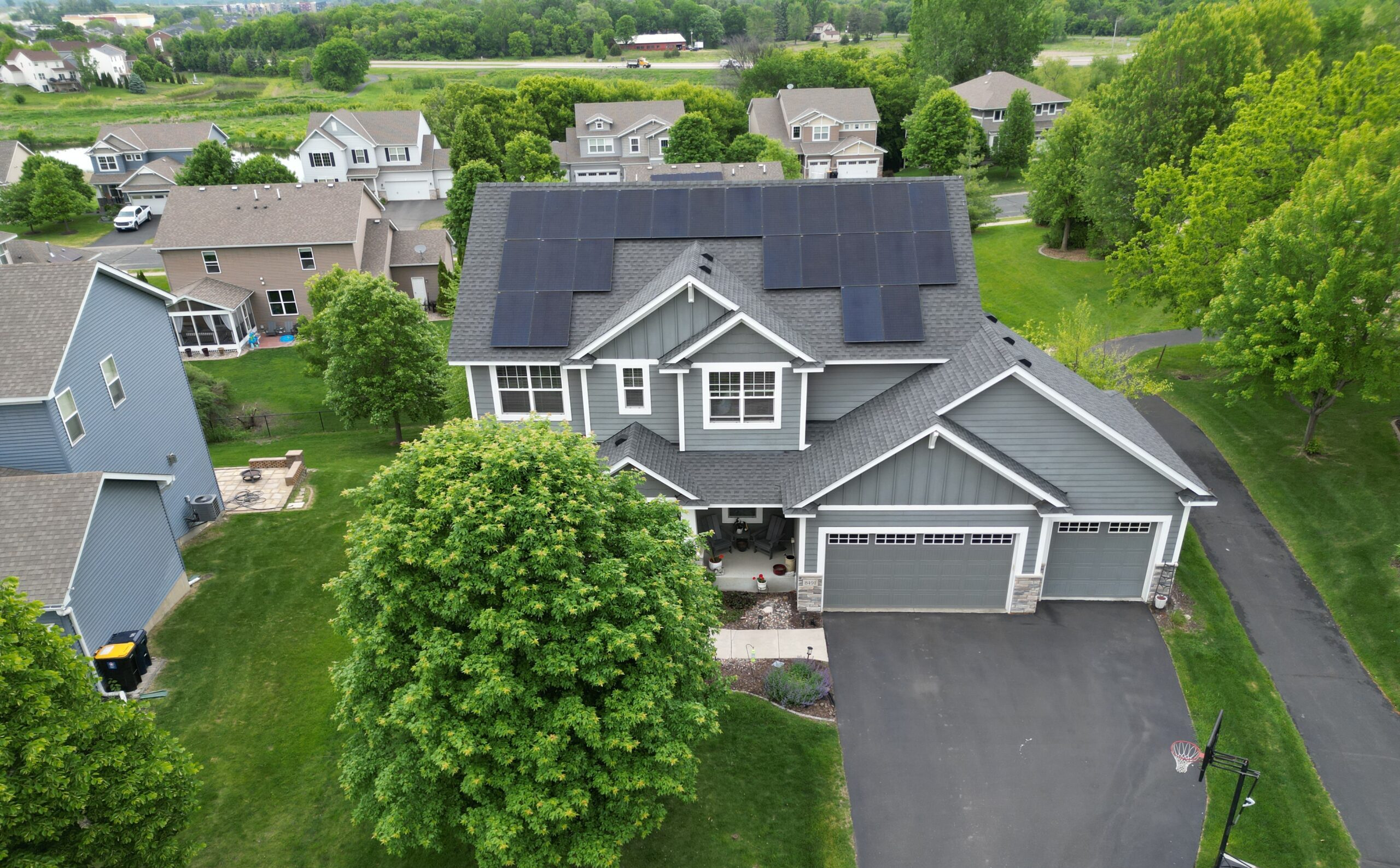
Several real estate studies have shown that homes with solar energy systems often attract strong buyer interest. Many buyers recognize that a home generating its own electricity offers predictable energy costs and reduced dependence on utility pricing.
When buyers compare two similar homes, the property with lower long term operating costs can become more attractive. Solar panels contribute to that advantage by lowering electricity expenses over time.
The effect varies depending on system size, local electricity rates, and buyer awareness. However, the general trend is that solar systems can enhance the marketability of a home. For example, in 2019 Zillow released a study showing that homes with solar sell for 4.1% more, on average, than those without.
Since then SolarReviews has conducted a follow up study on homes across America to find that this average has increased to 6.9% by 2025. This could potentially add thousands to your home’s resale value on today’s housing market.

The Bigger Financial Picture of Solar
Looking at solar strictly through resale value misses a large part of the equation. Most homeowners experience the financial impact of solar long before a home sale occurs.
Electricity bills often represent one of the most unpredictable expenses in a household budget. Solar installations allow homeowners to generate a portion of their own electricity, which reduces exposure to future rate increases.
Over time, these bill savings accumulate. Many homeowners see the majority of their solar investment returned through reduced electricity costs while they still live in the home.

Recommended Image 3 (place after this section)
Alt text: homeowner reviewing lower electricity bill after installing solar panels
Thinking About Solar as Part of an Energy Management Strategy
Instead of viewing solar purely as a home improvement project, many homeowners now see it as part of a broader energy strategy.
Solar panels reduce dependence on grid electricity. Energy management systems improve visibility into household energy usage. Battery systems provide additional flexibility when electricity prices fluctuate.
Together, these technologies allow homeowners to have more predictable energy costs now and in the future.
Powerfully Green Solar walks homeowners through this journey step by step during the project development process, helping households understand what makes sense for their specific energy needs.
Taking the Next Step
Solar energy continues to grow in Minnesota as homeowners look for ways to stabilize electricity costs and improve energy independence.
While resale value is part of the discussion, the larger story involves long term savings, energy control, and protection from rising utility rates.
Homeowners who want to explore whether solar makes sense for their property can start by scheduling a personalized home energy consultation through the Powerfully Green Solar energy assessment form. This evaluation helps determine how solar, energy management systems, and smart technologies can work together to improve your home’s energy performance.