

Electricity is something most homeowners rarely think about until the bill arrives.
For years, energy use inside the home followed a predictable pattern. Lights turned on when needed, appliances ran when convenient, and the monthly statement from the utility simply reflected how much power was consumed.
However, electricity demand across the country is changing, and Minnesota is part of that shift.
Electric vehicles, expanding technology infrastructure, and new types of electric heating systems are all increasing the demand placed on the electrical grid. At the same time, utilities are looking for ways to balance that demand more efficiently.
One strategy becoming increasingly important is the use of off-peak electricity programs, which encourage households to shift certain energy activities to times when the grid has more available capacity.
For Minnesota homeowners, understanding how off-peak electricity works can help lower energy costs while preparing for the way electricity will be managed in the future.
What Is Off-Peak Electricity?
Electricity demand changes throughout the day depending on how people use energy.
Morning and evening hours tend to place the greatest strain on the electrical grid. Households wake up, turn on lights, make coffee, heat water for showers, run appliances, and prepare meals. Businesses open, office buildings power up, and energy consumption rises rapidly.
These busy periods are known as peak demand hours.
By contrast, electricity usage drops significantly late at night and during certain daytime periods when fewer people are drawing power from the grid. These quieter times are referred to as off-peak hours.
Utilities encourage some types of electricity use during these lower demand periods because the grid has more available capacity. When electricity demand is spread more evenly throughout the day, the entire system becomes easier and less expensive to operate.
For homeowners, this shift can sometimes translate into lower electricity costs depending on the utility program available.
Why Electricity Demand Is Rising in Minnesota
For many years, electricity demand in the United States remained relatively stable. That trend is beginning to change.
Several forces are pushing electricity consumption higher at the same time.
Technology companies are building large data centers that require enormous amounts of electricity to operate. Heating systems in some homes are transitioning from gas to electric heat pumps. Electric vehicles are becoming more common, which means more homes are charging cars overnight.
Minnesota is also seeing increased investment in renewable energy infrastructure, which changes how electricity flows across the grid. Wind and solar generation require more sophisticated grid management to balance supply and demand effectively.
All of these changes contribute to a more complex electrical system where when electricity is used can be just as important as how much electricity is used.
Why Utilities Encourage Off-Peak Electricity Use
The electric grid must constantly maintain balance between supply and demand.
When millions of households use electricity at the same time, utilities must increase power generation quickly. Additional power plants may need to ramp up production, or electricity must be purchased from other regions to meet demand.
That process can be expensive.
Encouraging off-peak electricity usage helps reduce those spikes. When homeowners shift certain activities to lower demand hours, electricity consumption becomes more evenly distributed throughout the day.
For utilities, this makes grid operations more stable. For homeowners, it can open the door to programs that reward energy use during off-peak periods.
Off-Peak Electricity Programs Available in Minnesota
Many utilities in Minnesota offer programs designed to shift energy use to off-peak hours.
While each program varies slightly, they typically focus on appliances or systems that consume significant amounts of electricity.
Electric water heaters, electric heating systems, and electric vehicle chargers are common examples. In some cases, utilities install special meters or control devices that allow these systems to operate primarily during off-peak periods.
Some utilities also experiment with time-of-use electricity pricing, where electricity rates change depending on the time of day.
Under these structures, electricity used during high demand hours costs more, while electricity used late at night or during other low demand periods costs less.
For households that can shift certain activities to these lower demand windows, the savings can add up gradually over time.
How Off-Peak Electricity Fits Everyday Life
One reason off-peak electricity programs are gaining attention is that many types of energy use already occur during overnight hours.
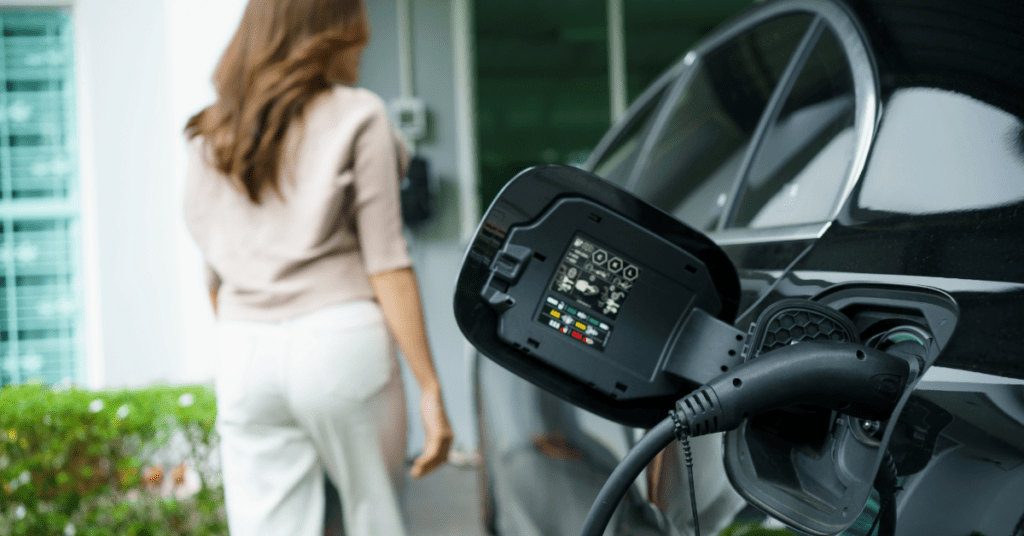
Electric vehicle charging is a good example. Most vehicles sit parked for many hours while their owners sleep. Charging a vehicle overnight places very little strain on the grid and naturally aligns with off-peak electricity periods.
Appliances such as dishwashers and washing machines can also be scheduled to run later in the evening using delayed-start features. Water heating systems can sometimes store heat generated during off-peak periods and deliver it later when needed.
These adjustments do not necessarily require major lifestyle changes. Instead, they involve small shifts in timing that allow homeowners to take advantage of electricity when demand is lowest.
Why Many Homeowners Still Struggle With Energy Costs
Despite the potential benefits of off-peak electricity programs, many homeowners still find it difficult to control their electricity costs.
The reason is simple: most households have very little visibility into how energy is being used inside the home.
A typical electric bill only provides a monthly summary of electricity consumption. It does not reveal which appliances use the most energy or when electricity demand is highest throughout the day.
Without that information, homeowners are left reacting to rising bills instead of understanding what is driving them.
Two homes with similar square footage and similar heating systems can have very different electricity bills depending on daily routines and appliance usage patterns.
How Home Energy Management Is Changing the Picture
New technologies are beginning to change how homeowners understand their electricity usage.
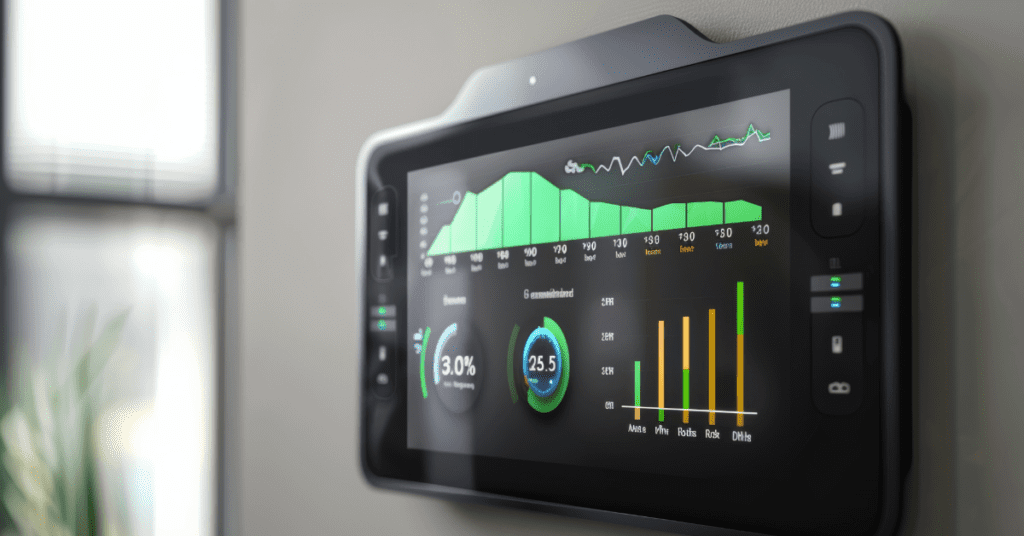
Home energy management systems allow households to capitalize on off-peak pricing without changing their daily lives to get lower bills.
Home energy management is designed to stabilize and lower your monthly electricity bill by creating a system that can be programmed to automatically react to a time-of-use rate structure so you can use the lowest cost energy, from the cleanest available energy source, at any time.
For example, a homeowner may discover that multiple large appliances are running simultaneously during the evening hours when electricity demand is already high.
By creating a customized energy management system they can program energy to be consumed by an alternative source, like a home battery, during this time.
This kind of control allows homeowners to effectively reduce their home’s electricity costs from anywhere at any time with ease from an app on their phone.
If you want to understand how these systems work and how they help homeowners manage electricity usage more effectively, you can learn more about Home Energy Management Systems for Minnesota homes.
Off-Peak Electricity Is Part of a Larger Energy Strategy
Off-peak electricity programs represent only one part of a broader shift toward smarter residential energy management.
As electricity demand continues to grow, homeowners are gaining access to technologies that allow them to actively manage how energy flows through the home.
Battery storage systems can store electricity when it is available and deliver it later when demand increases. Smart electrical panels can help manage which appliances use energy at different times.
Furthermore, solar energy systems can generate electricity during the day, significantly cutting energy costs. If you’re curious about how solar fits into Minnesota’s energy landscape, the Minnesota Solar FAQs page answers many of the common questions homeowners have.
Together, these technologies give homeowners greater flexibility in how they interact with the electrical grid.
Instead of simply consuming electricity, households can begin to manage energy more strategically.
A Practical First Step for Minnesota Homeowners
Every home has its own unique energy profile.
Factors such as insulation, heating systems, appliance usage, and daily routines all influence how electricity is consumed throughout the day. For many homeowners, the first step toward lowering energy costs is simply understanding how energy is currently being used.
An energy assessment from Powerfully Green Solar can provide insight into where electricity consumption is highest and whether changes in usage patterns could reduce overall costs.
In some cases, homeowners discover opportunities to improve efficiency. In others, they learn how new technologies might help them better manage energy use in the future.
As electricity demand continues to grow and pricing models evolve, homeowners who understand how their homes use energy will be in a much stronger position to control long-term costs.